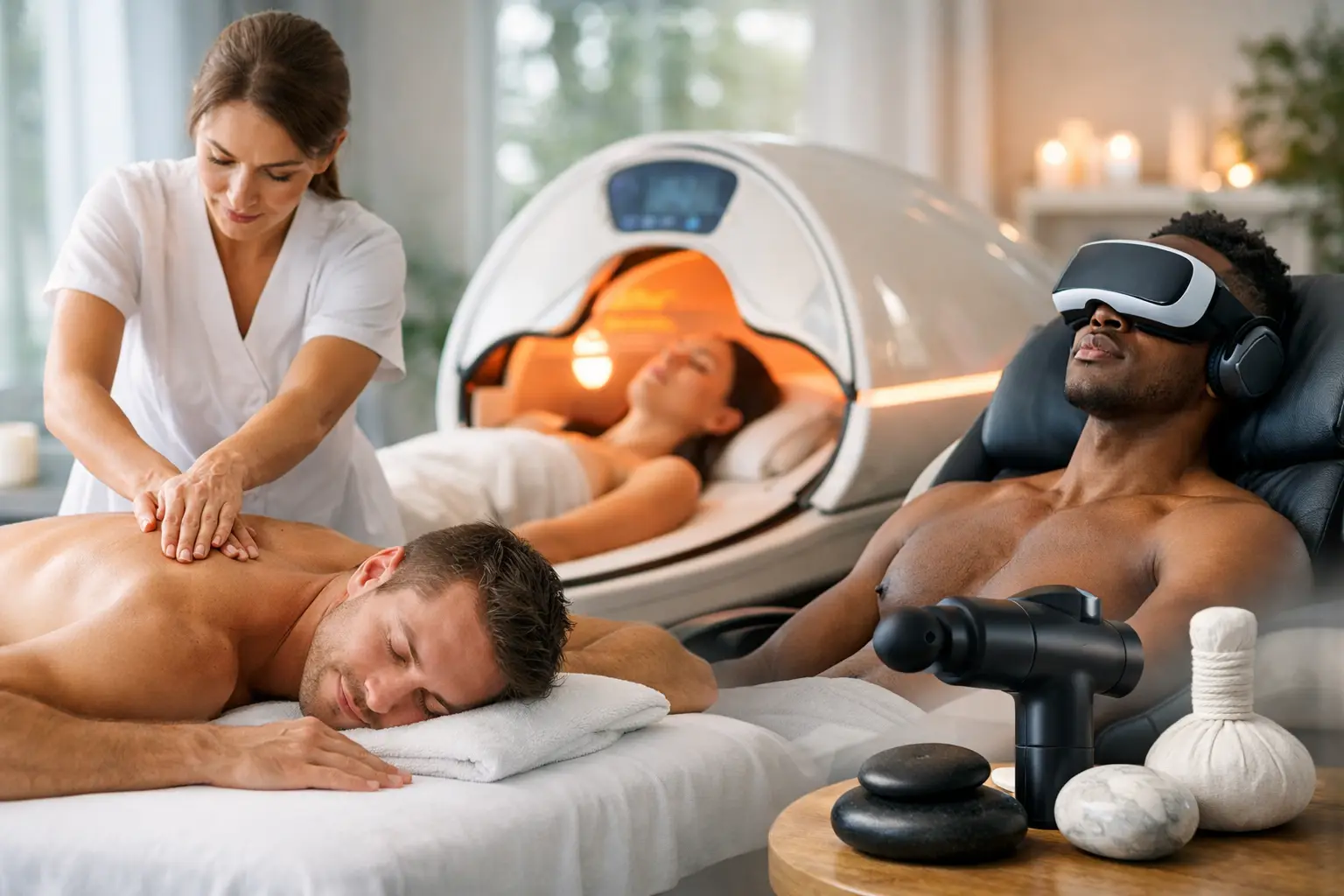
A great massage has always been personal. What is changing is the expectation around where, when and why it happens. The massage trends shaping 2026 are less about novelty for novelty’s sake and more about practical, tailored care: treatments that help people recover from training, manage the physical load of work, settle a stressed nervous system and feel better without giving up half a day to travel and wait.
For busy Australians, wellness now needs to fit real life. That may mean a remedial-focused session at home after a demanding week, recovery support in a hotel between meetings, or a restorative treatment arranged for a workplace team. The strongest trend is simple: people want qualified care that meets them where they are.
Massage trends are becoming more personalised
The one-size-fits-all relaxation massage is making room for a more considered conversation. Clients increasingly arrive with a clear outcome in mind: easing tightness through the neck and shoulders, supporting mobility after a long flight, recovering after a sporting event or simply shifting out of a state of constant tension.
Personalisation does not mean every session needs to feel clinical. It means the practitioner takes the time to understand how your body is feeling on the day, your health history, training load, work habits and pressure preferences. A session can still be deeply calming while being adapted for areas that need more attention.
This shift also recognises that bodies do not behave the same way every week. The deep tissue pressure that feels useful after a heavy gym block may not be the right choice when you are sleep-deprived, run down or carrying acute soreness. Skilled bodywork is responsive rather than forceful. Sometimes a lighter, slower approach is the more effective option.
Recovery is broader than sports massage
Sports massage remains popular with runners, cyclists, gym-goers and competitive athletes, but recovery-focused bodywork is no longer reserved for people in activewear. Desk-based professionals, parents, travellers and shift workers all experience physical strain in different forms.
Long periods at a laptop can leave the upper back, jaw, hips and forearms feeling overloaded. A flight can bring stiffness and a sense of heaviness. Physical work can create persistent fatigue through the legs, shoulders and lower back. Treatments are increasingly selected around the demands placed on a person’s body, rather than a label alone.
That is why remedial massage, deep tissue techniques, relaxation massage and complementary therapies each have a place. The best choice depends on your goals, comfort level and any relevant advice from your health professional. Massage can support recovery and wellbeing, but it is not a substitute for medical assessment when pain is severe, sudden, worsening or accompanied by other concerning symptoms.
Nervous system care is moving into the mainstream
Many people book massage because they feel tight. Often, what they are describing is also a body that has been switched on for too long. Deadlines, notifications, travel, caring responsibilities and poor sleep can make it difficult to truly settle, even when there is no obvious injury.
This is where slower, intentional treatments are gaining attention. Relaxation massage, reflexology and gentle recovery-style sessions can create a dedicated pause from constant stimulation. The aim is not to promise a cure for stress, but to provide space for rest, comfort and a calmer physical state.
The experience matters as much as the technique. Warm, familiar surroundings can make it easier to relax, especially for clients who find traffic, reception areas and rigid appointment schedules add to their day. At-home massage also removes the need to drive immediately after a deeply restful treatment. You can simply shower, hydrate, put your mobile aside and let the benefits of the session carry into the evening.
Mobile wellness is becoming the premium convenience
Convenience used to be treated as a bonus. It is now a deciding factor. Australians are more selective about how they spend their free time, and travelling across town for a treatment can be the reason a valuable self-care plan never happens.
Mobile massage answers that problem without asking clients to compromise on quality. A qualified practitioner arrives with the table, linen and equipment needed to create a professional treatment setting in a home, hotel room, workplace or event venue. The client saves the commute, the parking and the rush to make a booking fit between everything else.
For hotel guests, this can be particularly valuable. Business travellers may have only a narrow window between a day of meetings and dinner. Leisure travellers may want to recover after a flight or a full day exploring. An in-room treatment offers privacy, ease and a more restorative use of limited time.
At home, mobile care also makes couples massage and shared wellness experiences more practical. One person may prefer a calming relaxation session while the other needs firmer work through tired muscles. Individual treatment plans can be delivered in the same familiar setting.
Workplace massage is shifting from perk to practical support
Employers are paying closer attention to wellbeing initiatives that feel genuinely useful. A fruit bowl or a one-off motivational talk has its place, but teams are often looking for support that acknowledges the physical and mental demands of work.
On-site chair massage and corporate wellness treatments can offer a short, accessible reset during a busy day. They are especially suited to workplaces where people spend extended hours seated, manage high-pressure workloads or need a tangible way to feel recognised. For events, massage can turn a hospitality area into a memorable wellbeing experience rather than another generic activation.
The trade-off is that short workplace sessions are designed for immediate refreshment, not a detailed remedial treatment plan. They work best when expectations are clear: a focused opportunity to reduce tension and take a breather, with longer sessions available when someone needs more personalised care.
Technology is supporting, not replacing, hands-on care
Complementary wellness technology is also becoming more visible. Modalities such as PEMF and vibroacoustic therapy appeal to clients who are interested in recovery, relaxation and sensory experiences beyond traditional hands-on massage.
Used thoughtfully, these options can complement a broader treatment plan. Vibroacoustic experiences, for example, use sound and vibration to create a calming environment, while PEMF-based approaches may be offered as part of a recovery-focused session. Their suitability varies from person to person, particularly where there are health conditions, implanted devices or pregnancy considerations. A qualified practitioner should always discuss relevant contraindications before treatment.
The appeal is not that technology replaces skilled touch. It is that clients can choose from a wider range of supportive experiences based on what feels appropriate for their goals. The human assessment, comfort and clinical judgement remain central.
The return of intentional self-care
Perhaps the most meaningful of the current massage trends is a cultural one. Massage is being viewed less as an occasional treat to be saved for birthdays or holidays, and more as part of an ongoing approach to feeling well. That does not mean everyone needs a weekly appointment. Frequency should reflect your needs, budget, activity level and response to treatment.
For some people, a regular relaxation massage helps create a healthier rhythm during demanding periods. For others, booking around travel, intense training, a major event or the early signs of recurring tightness is more realistic. Consistency can be helpful, but there is no virtue in forcing a routine that does not suit your life.
The best wellness choices are the ones you can actually maintain. Whether you need to reset after a long week, recover with more intention or bring a polished treatment experience to your door, Rejuvenators makes professional, tailored care easier to fit into the moments when your body is asking for it.