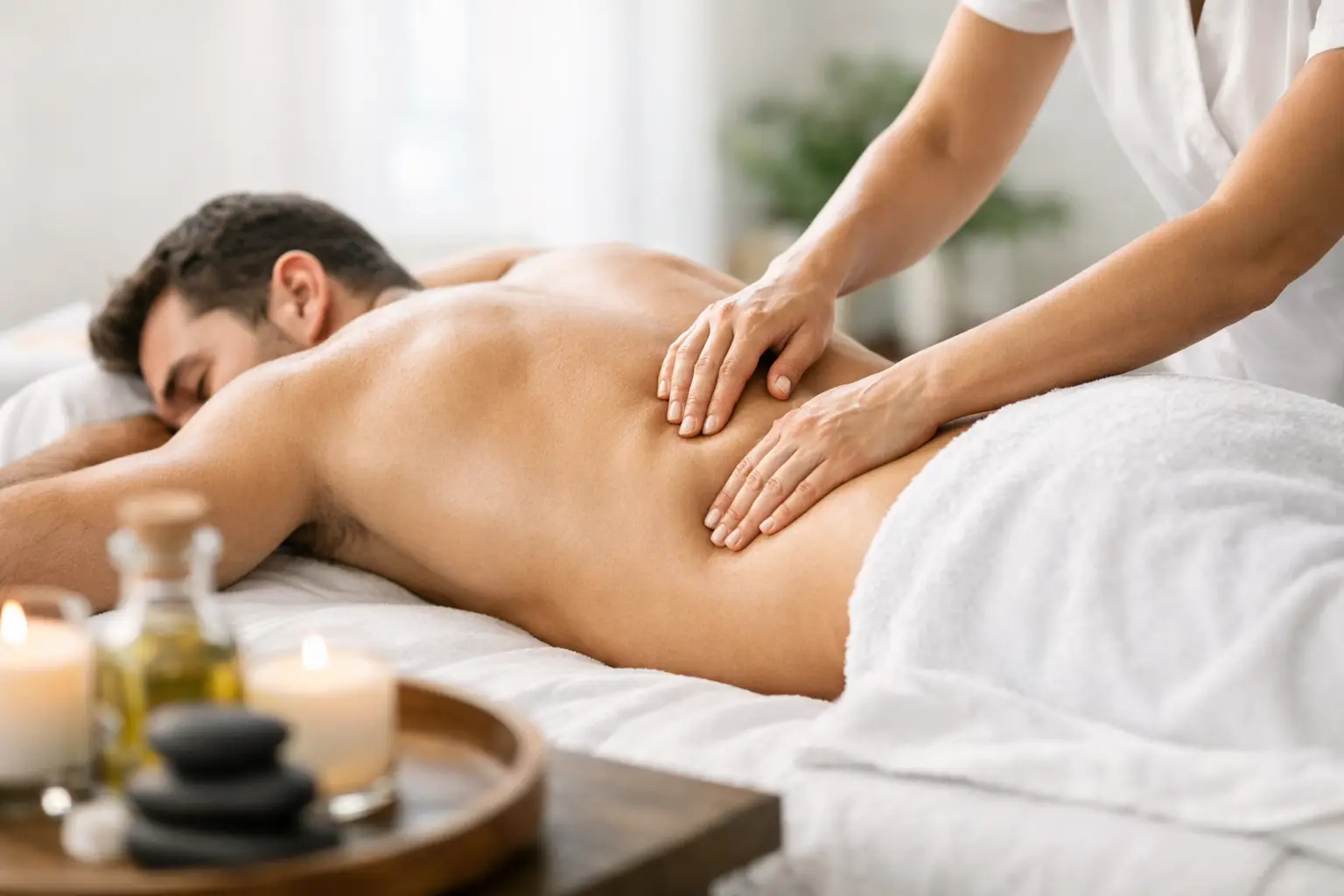
That dull ache after a long day at your desk, the tight pull across your lower back after travel, the stubborn stiffness that flares after training – back pain rarely arrives at a convenient time. If you have been wondering, can massage help back pain, the short answer is yes, often it can. But the more useful answer is that it depends on the type of pain, what is driving it, and how the treatment is tailored.
Massage is not a magic fix for every sore back. What it can do, in many cases, is reduce muscular tension, improve circulation, calm the nervous system, and help you move more freely. For people whose back pain is linked to stress, overuse, poor posture, long hours sitting, disrupted sleep, or general muscular tightness, that can make a real difference.
Can massage help back pain in real-world situations?
For many adults, back pain is less about one dramatic injury and more about accumulation. Hours at a laptop, long drives, gym sessions without enough recovery, lifting children, carrying bags through airports, or sleeping badly in an unfamiliar hotel bed can all add up. The muscles around the spine, hips and shoulders start to work harder than they should, and pain follows.
In those situations, massage can be very effective because it addresses the soft tissue component of pain. When tight muscles ease, nearby joints often move with less restriction. When circulation improves, tissues can feel less congested and recovery may feel faster. When the body shifts out of a stressed, guarded state, pain can soften.
That said, massage works best when the pain is muscular or movement-related. If your back pain is driven by something more complex, such as significant nerve irritation, a disc issue, inflammatory conditions, or a recent trauma, massage may still be helpful as part of a broader care plan, but it should not be the only approach.
What massage can and cannot do
A good treatment is not just about pressing harder where it hurts. Experienced practitioners look at how your body is compensating, where tension is building, and what level of pressure your system can actually respond to. Sometimes gentle work brings more relief than a deep, intense session.
Massage may help by reducing muscle guarding, improving short-term mobility, supporting relaxation, and lowering the sense of threat your body associates with pain. Many clients also notice better sleep after treatment, and that matters more than people realise. Poor sleep and persistent pain often feed each other.
What massage cannot do is diagnose every cause of back pain or replace medical care when something more serious is going on. If you have symptoms such as pain following a fall, unexplained weakness, numbness, changes in bladder or bowel function, or pain that is severe and worsening, you need prompt medical advice.
Which type of massage is best for back pain?
This is where the answer becomes more individual. Back pain is not one single experience, so one single massage style will not suit everyone.
Remedial massage is often a strong option when there is a clear musculoskeletal pattern, such as tightness through the lower back, glutes, hips or upper shoulders that is affecting how you move. It is generally more targeted and outcome-focused.
Deep tissue massage can help when there is persistent tension and your body tolerates firmer pressure well. But deeper is not automatically better. If the area is highly inflamed or your nervous system is already overloaded, aggressive pressure can leave you feeling more tender rather than more mobile.
Relaxation massage has a place too, especially when stress is a major contributor. Many people hold tension through the back without realising it. A treatment that helps the body settle can reduce this background tightness and create space for recovery.
Sports massage may suit active people dealing with training load, muscle fatigue, or movement restrictions linked to performance. The key is choosing a practitioner who adjusts the treatment to your current condition rather than applying a one-size-fits-all routine.
Why lower back pain often needs more than the lower back
One of the most common frustrations with back pain is that the sore spot is not always the starting point. A tight lower back may be related to overloaded glutes, restricted hips, hamstrings that are constantly pulling, or tension higher up through the thoracic spine.
That is why thoughtful treatment matters. If someone only works directly on the painful area and ignores the surrounding patterns, relief may be short-lived. A more complete approach often includes neighbouring muscle groups and considers how your daily habits are shaping the problem.
This is particularly relevant for busy professionals and frequent travellers. Long periods seated, poor workstation setup, luggage handling and interrupted routines can create widespread tension, not just one sore patch. In-home or in-room treatment can be especially helpful here because it removes the extra effort of travelling while already uncomfortable.
When massage helps most
Massage tends to be most useful when your back pain feels linked to tension, stiffness, postural strain, recovery from physical load, or stress-related tightness. It can also be valuable when you feel stuck in a cycle of pain, poor sleep and reduced movement.
Many people find they move more comfortably after a session, and that creates momentum. When pain drops even slightly, walking feels easier, stretching is more tolerable, and confidence returns. Those small improvements often matter just as much as the treatment itself.
Consistency can also matter more than intensity. One well-timed massage may provide relief, but ongoing tension patterns sometimes respond better to regular sessions combined with practical changes such as better movement habits, pacing, hydration, and appropriate strengthening or mobility work.
When to be cautious
If your pain is sharp, shooting down the leg, associated with pins and needles, or clearly aggravated by certain spinal movements, massage may still be soothing around the area, but it needs more care and better assessment. The same applies if the pain has started suddenly without an obvious reason, wakes you at night, or does not improve at all.
This is where honest guidance matters. A premium treatment should never overpromise. The right practitioner will work within their scope, adjust the session if needed, and recommend further assessment when the presentation suggests something beyond straightforward muscular tension.
Can massage help back pain for office workers, travellers and active people?
Yes, and these groups often respond well for different reasons. Office workers commonly develop back pain through static postures, neck and shoulder tension, and reduced movement during the day. Massage can reset that pattern and make it easier to sit, stand and turn without strain.
Travellers often deal with stiffness from flights, unfamiliar beds, heavy bags and altered routines. A treatment in your home or hotel removes the usual friction of getting care when you need it most.
Active people and athletes may benefit because massage supports recovery, helps manage muscle load, and can ease restrictions before they become more disruptive. Still, if pain is affecting strength, coordination or training quality in a significant way, it is worth looking beyond massage alone.
Getting better results from your session
The best outcomes usually come from clear communication. Tell your practitioner where the pain is, when it started, what makes it worse, and what kind of pressure you prefer. Mention old injuries, nerve symptoms, recent training, work setup, and whether your sleep has been poor. These details help shape a treatment that feels personalised rather than generic.
It also helps to keep expectations realistic. Some clients feel immediate relief. Others notice they are looser the next morning, or simply less aggravated by the end of the week. And sometimes the first goal is not to erase pain completely, but to reduce it enough that normal movement feels manageable again.
With a provider such as Rejuvenators, that tailored approach is part of the value. Qualified practitioners arrive equipped, work around your schedule, and adapt the session to what your body needs on the day – whether that is focused remedial work, a calmer restorative treatment, or a combination of both.
Back pain has a way of shrinking your world. It can make work harder, training less enjoyable, sleep patchy, and even simple tasks feel heavier than they should. Massage will not be the right answer every time, but when tension, overload and stress are part of the picture, it can be a practical and genuinely restorative place to start.