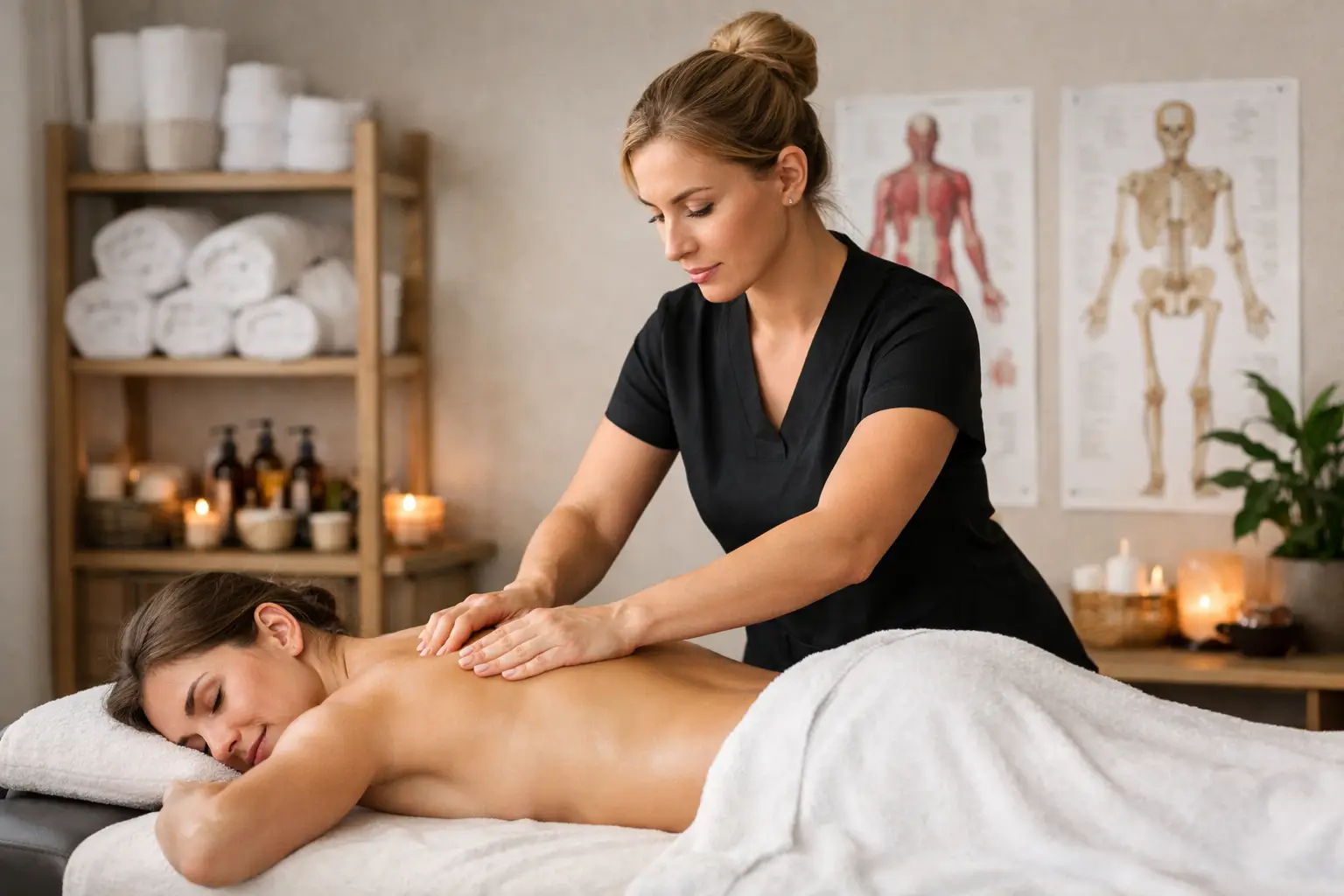
A stiff neck before a presentation, a lower back that tightens after the commute, or calves that still feel heavy days after a long run can quickly make Melbourne life feel smaller. Remedial massage Melbourne clients choose is not simply about feeling relaxed for an hour. It is a tailored, hands-on treatment designed around the areas affecting how you move, work, train and rest.
For busy professionals, hotel guests and active Melburnians, the quality of the treatment matters. So does the ease of accessing it. A skilled mobile practitioner can bring the table, towels and treatment expertise to your home, hotel or workplace, allowing you to recover in a familiar, comfortable setting rather than adding another trip across town to your day.
What remedial massage is designed to support
Remedial massage uses targeted techniques to address muscular tension, restricted movement and the physical load that builds through work, training, travel and everyday routines. Your practitioner assesses what is happening in your body, discusses your goals and adjusts the session accordingly.
That may mean slower, focused work through the upper back and shoulders for someone who spends long hours at a desk. For a runner, it may involve the hips, glutes, calves and feet. After a flight or a demanding week, the goal may be to settle general muscle fatigue and help you feel more comfortable in your body again.
The treatment can include firmer pressure, soft tissue techniques, stretching and work around specific muscle groups. It should not be a one-size-fits-all deep pressure experience. Effective remedial care considers your comfort, relevant health history, training schedule and how your body responds during the session.
When remedial massage in Melbourne may be a good fit
Remedial massage can be a valuable option when muscular discomfort is persistent, movement feels limited, or you want practical support around recovery. Common reasons people book include recurring neck and shoulder tightness, postural strain, training-related soreness, tension headaches linked to muscle tightness, and lower back discomfort associated with prolonged sitting.
It can also suit people who are returning to activity after time away, preparing for an event, or trying to manage the physical demands of regular training. The aim is not to push through pain. It is to work thoughtfully with the tissues involved, support more comfortable movement and give you a clearer sense of what your body needs next.
There is a trade-off worth understanding: stronger pressure is not automatically better pressure. A session that leaves you feeling bruised or unable to move comfortably the following day may be too intense for your needs. Some tenderness after targeted work can occur, particularly if an area has been tight for a long time, but your practitioner should check in throughout and adapt the treatment.
If pain is sudden, severe, follows a significant injury, or comes with numbness, weakness, fever, unexplained swelling or other concerning symptoms, seek medical advice first. Massage can complement appropriate healthcare, but it is not a replacement for diagnosis or urgent treatment.
The value of a mobile treatment
Melbourne schedules are rarely generous. Between meetings, school runs, gym sessions, events and travel, even a beneficial appointment can be hard to fit in when it also involves traffic, parking and a waiting room. Mobile remedial massage removes much of that friction.
At home, you can settle into the treatment without rushing back out afterwards. This is particularly useful after deeper work, when you may prefer a quiet evening, a glass of water and an early night. In a hotel, it gives business travellers a way to reset after a flight or a demanding day without needing to navigate an unfamiliar suburb. At the workplace, it can help employees address the accumulated strain of desk-based work in a professional, time-efficient format.
Convenience should never mean cutting corners. A premium mobile appointment includes a qualified practitioner arriving equipped with a professional massage table and everything needed for a polished treatment. You provide enough clear floor space for the table and a reasonably quiet, comfortable room. The rest is organised for you.
What happens in a tailored session
A good remedial massage starts before the massage itself. Your practitioner will ask about the concern bringing you in, your daily activity, recent training, relevant injuries and any health considerations that may affect treatment. Be open about medications, surgery, pregnancy, skin conditions or areas that are particularly sensitive. This information helps make the session safer and more useful.
From there, the treatment plan takes shape. If your main concern is a tight upper back, the practitioner may assess how the neck, chest and shoulder muscles are contributing rather than focusing on one painful spot alone. If your legs feel heavy from training, the approach may balance targeted lower-body work with a pace that supports recovery rather than adding unnecessary intensity.
Communication remains part of the treatment. Let your practitioner know if pressure feels sharp, too strong or simply not right. You can also say if you would prefer to avoid a particular area. Tailored care means you remain comfortable, informed and in control throughout.
Preparing for your appointment
You do not need a complicated routine before a remedial massage. Wear comfortable clothing, have a little water beforehand and avoid arriving overly full from a large meal if possible. If you have been exercising, mention what you did and when, especially if you have an event or session planned soon after the massage.
Afterwards, give your body a chance to absorb the treatment. Gentle movement such as an easy walk can feel beneficial, while intense training may be better postponed depending on the depth and focus of the session. Hydration, regular meals and quality sleep all support recovery, although drinking water is not a magic fix for muscle soreness.
Your practitioner may suggest simple self-care between appointments, such as a mobility exercise, a change to your workstation position or a recovery-focused approach to training. These recommendations should be realistic for your life. The most useful plan is usually one you can actually maintain.
Choosing the right practitioner and service
When booking remedial massage, look beyond the promise of firm pressure. You want a qualified practitioner who listens, works within your goals and can explain their approach in clear, practical terms. Professional presentation, reliable arrival times and a respectful treatment environment matter too, especially when the appointment takes place in your home, hotel or office.
Consider what you need from the session. Someone seeking post-run recovery may benefit from a different approach to a guest who has spent the day in meetings, or a professional managing regular desk tension. Session length also matters. A shorter treatment can be ideal for one clearly defined area, while a longer appointment allows more time for assessment and broader, unhurried work.
For clients who value established mobile care, Rejuvenators brings qualified practitioners to Melbourne homes, hotels, workplaces and event venues, with treatment shaped around comfort, recovery and individual goals. After 30 years of service and more than one million clients, the focus remains simple: expert care, delivered where it works best for you.
Make recovery part of the rhythm of your week
Remedial massage tends to work best when it is part of a considered approach to wellbeing rather than a last resort after every flare-up. For some people, that means booking around a heavy training block. For others, it means making space for treatment before a period of travel or after a month of long hours at the desk.
The right frequency depends on your symptoms, activity levels, budget and response to treatment. A practitioner can help you decide whether a single focused session, occasional maintenance or more regular support makes sense. The most helpful next step is often the easiest one: choose a time when you can slow down afterwards and give your body the attention it has been asking for.