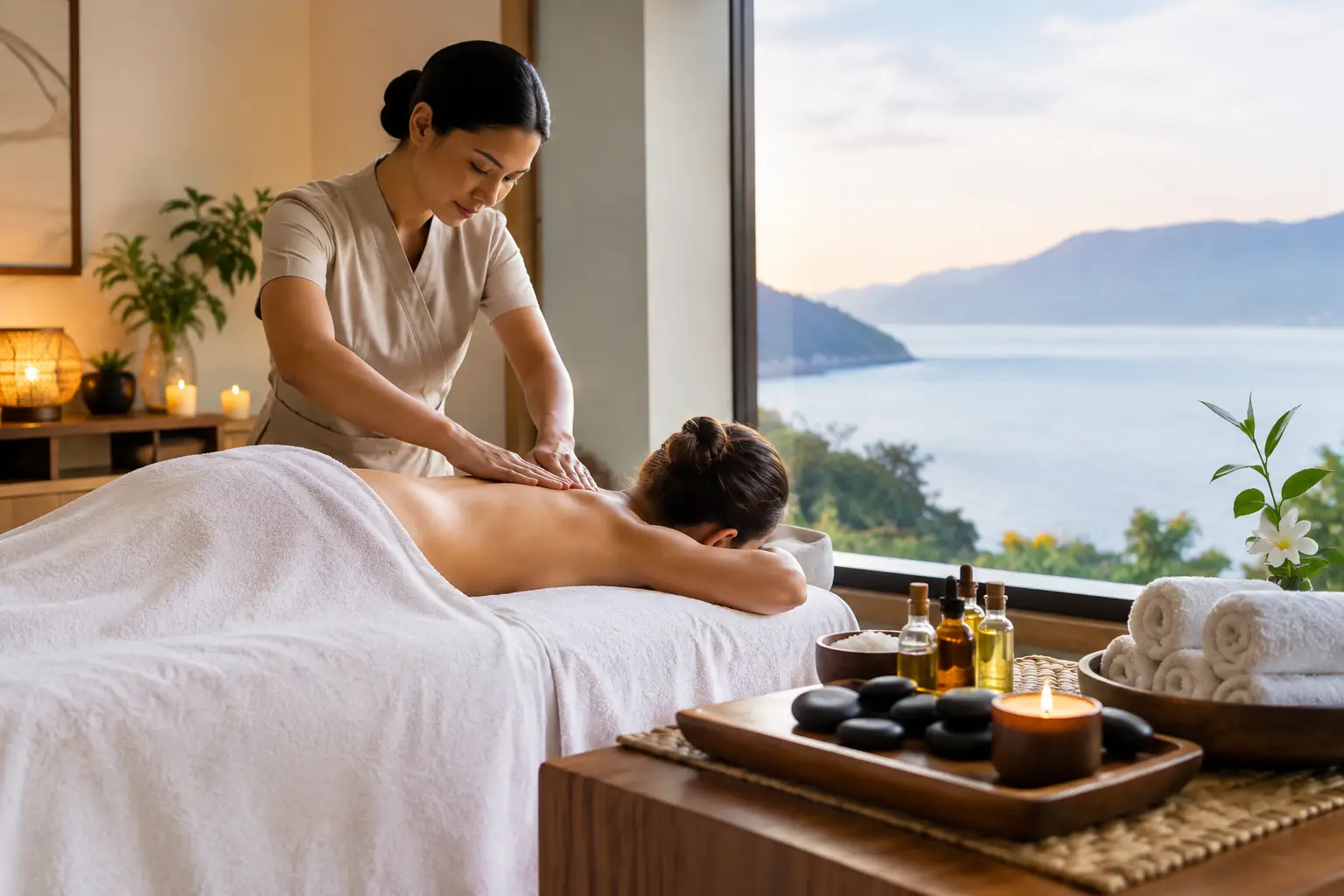
A full calendar, a long flight, hard training sessions or too many hours at a desk can leave your body switched on long after the day is done. This relaxation massage guide is designed to help you choose a treatment with clarity, know what will happen in the session, and get more from the time you set aside to rest.
Relaxation massage is not simply a pleasant indulgence. When it is tailored well, it creates space for tired muscles to soften, busy thoughts to slow, and your nervous system to move out of high alert. The aim is comfort first, with therapeutic attention to the areas holding everyday tension.
What is relaxation massage?
Relaxation massage uses flowing, unhurried techniques and light-to-moderate pressure to ease muscular tightness and promote a settled, restorative state. Your practitioner may use long gliding strokes, gentle kneading and focused work around common tension points such as the neck, shoulders, back, hands, calves and feet.
Unlike deep tissue or remedial massage, the priority is not to work intensely into stubborn knots or assess a specific injury. That does not make it less considered. A quality treatment still responds to how your body feels on the day, whether that is tight shoulders from laptop work, heavy legs after travel, or a general sense that you have been carrying too much for too long.
Pressure should feel soothing, not something you need to endure. Some people enjoy firmer work through the upper back, while others need a lighter approach to fully relax. There is no prize for tolerating discomfort. The best treatment is one that supports your goal and leaves you feeling cared for rather than depleted.
When a relaxation massage is the right choice
Relaxation massage suits people who want to slow down and restore without the intensity of a targeted clinical treatment. It can be especially helpful after a demanding week, before or after travel, during periods of poor sleep, or when your muscles feel tense but there is no acute injury requiring assessment.
It is also an excellent choice for hotel guests and busy professionals who want to reclaim an evening without travelling to a clinic. A mobile treatment allows the transition from massage table to rest to be immediate. There is no drive home, parking stress or need to re-enter the noise of the day once your treatment is finished.
For athletes or active people, it can sit comfortably alongside training as a recovery-focused session when the body feels generally fatigued. If you are managing a persistent injury, sharp pain, significant restriction or a diagnosed condition, remedial massage, osteopathy or advice from an appropriate health professional may be the better starting point. It depends on your symptoms and what you want the session to achieve.
What to expect from a tailored mobile massage
A professional mobile practitioner arrives with the essential equipment, including a massage table, fresh linen and oils or lotion. You provide a quiet enough space with room for the table, ideally away from interruptions. A lounge room, hotel suite, spare room or private office can work well.
Before hands-on treatment begins, your practitioner should ask about your comfort, health history, areas of tension, preferred pressure and any recent changes in how you are feeling. This conversation is not a formality. It guides the session, particularly if you have had recent surgery, are pregnant, take medication that affects bruising, or have a condition that may need treatment adjustments.
You will be draped with a sheet or towel throughout the massage, with only the area being treated uncovered. You can speak up at any point about temperature, positioning, music, pressure or an area you would prefer to avoid. Professional care means you remain in control of your comfort from the first conversation to the final moments of the treatment.
Many people notice a quieter mind during the session. Others simply feel their shoulders drop for the first time that day. Both are valid responses. There is no need to perform relaxation or force yourself to switch off. Your role is simply to get comfortable and let the practitioner know what feels right.
How to prepare for your relaxation massage
Keep preparation simple. Have a light meal rather than a heavy one, drink water as you normally would, and wear clothing that is easy to change in and out of. If you are having an in-home appointment, make the room comfortably warm and silence notifications where possible.
Try to leave a little unscheduled time afterwards. While you can return to work or social plans if needed, the benefits often feel more noticeable when you can move gently, have a shower, eat something nourishing and head to bed without rushing. This is particularly valuable after an evening appointment or a treatment following a flight.
Be open about what is happening in your body. Mention headaches, soreness, sensitive skin, old injuries, pregnancy, recent illness or medications. Massage is highly adaptable, but your practitioner needs the full picture to make sound decisions about positioning, pressure and areas to avoid.
Getting the balance of pressure right
A common misconception is that effective massage must be firm. For relaxation, too much pressure can cause your muscles to brace and keep the nervous system on guard. The goal is a depth that feels satisfying while allowing you to breathe steadily and soften into the table.
A useful way to communicate is to describe pressure in practical terms. You might ask for a little more focus through the shoulders but lighter work around the neck, or say that the pressure feels good initially but becomes too intense after a few minutes. Small adjustments can change the whole experience.
If you wake the next day feeling tender, that is not automatically a problem, especially if you had existing tightness. However, lingering soreness, bruising or a sense of being overworked usually suggests the pressure was more than your body needed. Next time, ask for a gentler treatment or choose a session designed specifically around recovery and calm.
When to postpone or seek advice first
Massage is generally a supportive wellness treatment, but there are times to pause. Reschedule if you have a fever, contagious illness, vomiting or diarrhoea, or an unexplained rash. Seek medical advice before treatment for symptoms such as sudden severe pain, chest pain, shortness of breath, a suspected blood clot, or significant swelling.
Let your practitioner know if you are pregnant, have circulatory concerns, osteoporosis, cancer treatment, recent surgery or a complex medical history. In many cases massage can still be appropriate with modifications, but it should never be treated as a substitute for medical assessment.
Make relaxation part of the plan, not a rescue remedy
One massage can offer a welcome reset. Regular sessions may be more valuable when stress, travel or physical demands are ongoing, because they give your body repeated opportunities to settle before tension becomes your normal setting. The right frequency varies. Some people book around major work periods or travel, while others build a monthly session into their wellbeing routine.
For more than 30 years, Rejuvenators has brought qualified practitioners and tailored bodywork to clients where comfort matters most: at home, in hotels and at work. The standard remains simple – professional care, delivered with ease, and shaped around the person on the table.
The most useful sign that a relaxation massage has done its job is often subtle: you feel more at home in your body, less rushed in your thoughts, and better able to enjoy the rest of your day. Give yourself permission to protect that feeling for a little longer.