When your body feels flat, tight or slow to recover, the last thing you want is another complicated treatment to research. Pulsed electromagnetic field therapy is often chosen for a simpler reason – people want support with recovery, comfort and regulation in a way that feels gentle, non-invasive and easy to fit into real life.
For many Australians, that means finding therapies that work around a demanding schedule rather than adding to it. Whether you are balancing long hours at work, frequent travel, training blocks or persistent muscular tension, PEMF is usually considered as part of a broader wellbeing plan, not a magic fix. Used well, it can be a useful complementary therapy that supports rest, recovery and overall body awareness.
What is pulsed electromagnetic field therapy?
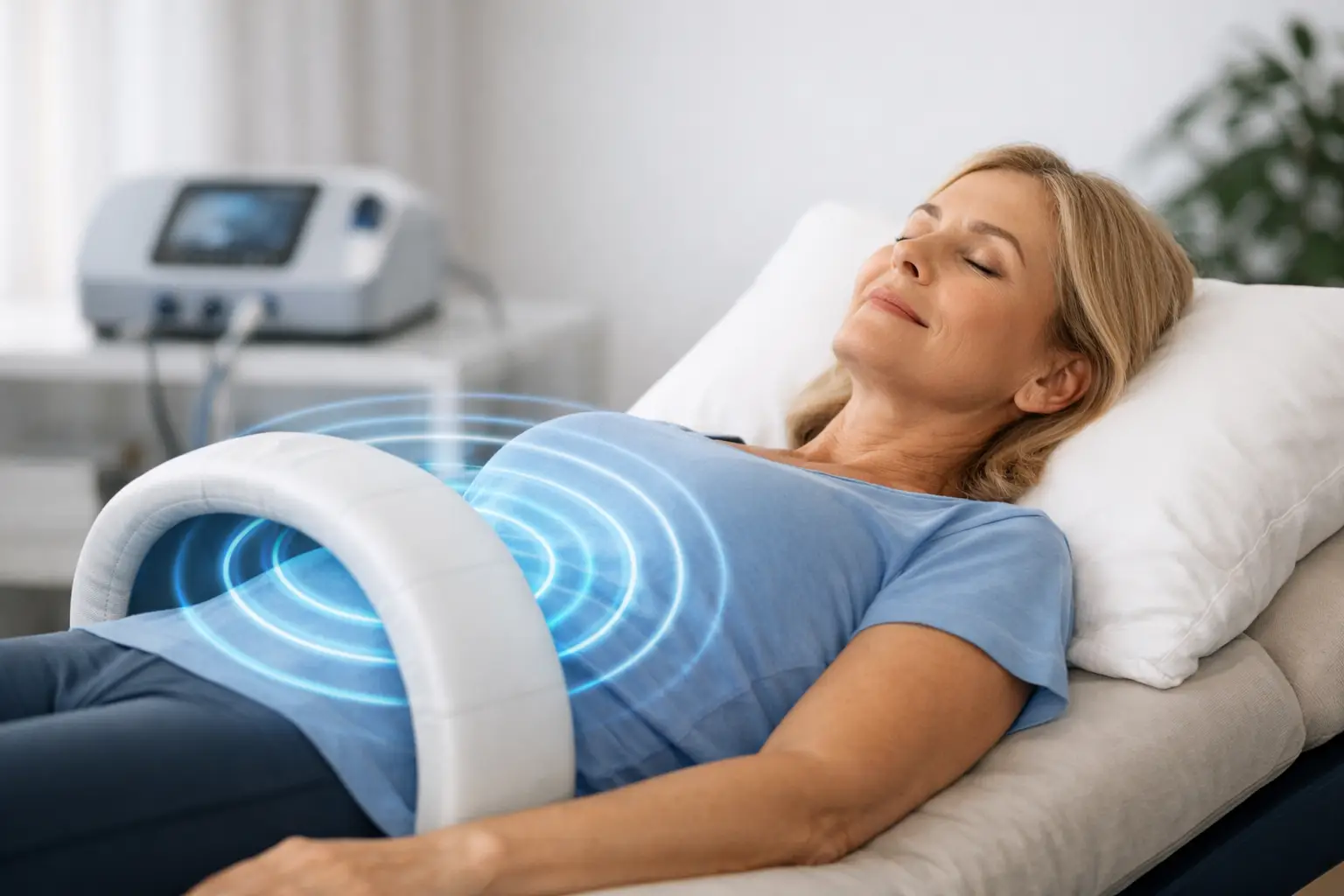
Pulsed electromagnetic field therapy, often shortened to PEMF, uses low-frequency electromagnetic pulses delivered through a specialised device. These pulses are directed through mats, pads or applicators placed near the body while you rest comfortably during a session.
The idea is straightforward. Your body relies on electrical activity at a cellular level, and PEMF is designed to deliver rhythmic electromagnetic pulses that interact with tissues in a controlled way. Practically speaking, clients do not usually choose PEMF because they want a physics lesson. They choose it because they are looking for support with recovery, muscular ease, relaxation or a sense of reset.
That distinction matters. While the science behind PEMF is still being studied across different applications, in a wellness setting the treatment is generally positioned as complementary care. It may sit alongside massage, recovery work, movement, sleep support and other practitioner-guided therapies rather than replacing medical treatment.
How pulsed electromagnetic field therapy is thought to work
PEMF is believed to influence the way cells function by exposing the body to pulsed electromagnetic energy. Research in this area looks at circulation, inflammation, tissue repair, pain perception and cellular signalling, but outcomes can vary depending on the condition being treated, the device used and the treatment protocol.
In plain terms, the experience is typically subtle. Unlike a deep tissue massage, there may not be obvious pressure, stretching or immediate soreness. Some people notice a sense of relaxation during the session. Others report that they feel looser, calmer or less aggravated afterwards. For certain clients, the value lies less in a dramatic sensation and more in how the treatment fits into a recovery routine over time.
This is where expectations need to stay realistic. PEMF is not a guaranteed solution for pain, injury or fatigue. It is one option within a wider care plan, and the response can depend on the person, their goals and what else is happening in their body.
Why people book PEMF sessions
Most people exploring PEMF are not doing it out of curiosity alone. They usually have a practical goal. That might be support after training, help settling a stressed nervous system, assistance with muscular tension, or simply a recovery session that does not ask much from the body.
Busy professionals often like the low-effort nature of the experience. You are not being asked to push through a workout or tolerate firm manual treatment on a day when your system already feels overloaded. Active clients may be interested in PEMF because it can sit alongside massage and mobility work without adding physical strain. Travellers and hotel guests often gravitate to therapies that help them unwind, especially after flights, disrupted sleep or long hours sitting.
There is also a group of clients who want support but do not enjoy hands-on treatment every time. For them, PEMF can feel approachable. It offers a quieter recovery option that may still contribute to a broader sense of physical ease.
What a session typically feels like
A PEMF session is generally calm, comfortable and undemanding. The device is positioned so the electromagnetic pulses can be delivered to the relevant area or to the body more generally, depending on the setup and your treatment goals. You remain clothed unless the session is being combined with another service that requires otherwise.
During treatment, some people feel very little beyond warmth, heaviness or relaxation. Others notice a faint pulsing sensation, though many feel nothing distinct at all. That does not necessarily mean the session is ineffective. PEMF is not the sort of therapy that relies on intensity to signal value.
The better question is whether the treatment plan suits your needs. A quality practitioner will explain what the session is for, where PEMF may fit within your recovery or wellness goals, and when another therapy might be more appropriate.
Who may benefit from pulsed electromagnetic field therapy
PEMF is commonly explored by people wanting support with general recovery, muscular comfort, relaxation and wellbeing. That can include desk-bound workers carrying chronic tension, active people managing training load, and clients who feel physically depleted after demanding work or travel.
It may also appeal to those who want a therapy that feels restorative rather than forceful. If your body already feels overstimulated, a gentler session can be more appealing than a treatment that leaves you feeling wrung out. In that sense, PEMF can complement services like remedial massage, sports recovery work or vibroacoustic therapy, depending on what your body responds to best.
That said, suitability is never one-size-fits-all. If you have a medical condition, implanted electronic devices, are pregnant, or are managing complex symptoms, professional screening matters. Wellness therapies should be tailored carefully, not applied as a blanket recommendation.
Where PEMF fits in a broader recovery plan
The most helpful way to think about PEMF is as one tool, not the whole toolkit. Recovery is usually shaped by several factors at once – sleep quality, movement habits, stress levels, workload, hydration, treatment timing and the nature of the issue you are trying to address.
For example, if your muscles are tight because you have spent three weeks hunched over a laptop in a hotel room, PEMF may support relaxation, but posture, movement and targeted bodywork may still need attention. If you are training hard and accumulating fatigue, PEMF may feel useful as a recovery adjunct, yet it will not replace sensible load management. If stress is sitting heavily in your body, the benefit may come from combining calming therapies with better routines around sleep and nervous system regulation.
This is often where premium mobile care stands out. When treatment is delivered in your home, hotel or workplace, it becomes easier to build recovery into your week instead of leaving it to chance. For clients who value comfort and time efficiency, that practicality is not a luxury – it is often the reason they finally stay consistent.
Things to consider before booking
As with any complementary therapy, it helps to be clear about your goal. Are you looking to unwind, support training recovery, settle muscular discomfort, or create more regular space for restoration? The answer shapes whether PEMF is the right starting point or better used alongside another service.
It is also worth asking how the provider approaches assessment and tailoring. Good care is not just about having the equipment. It is about understanding who the treatment is for, when to modify it, and when to recommend something else. A polished, professional experience should feel thoughtful from the first conversation, not generic.
If convenience matters to you, the practical side counts too. Mobile delivery, flexible session formats and qualified practitioners can make a significant difference, especially for people who are already stretched for time. That blend of expertise and ease is part of why many clients choose Rejuvenators for in-home, in-hotel and workplace wellness services across Australia.
Is pulsed electromagnetic field therapy worth trying?
For the right person, yes – particularly if you are looking for a gentle, non-invasive therapy that may support recovery and relaxation without adding more effort to your schedule. The key is to approach it with curiosity and realistic expectations rather than hoping for an overnight transformation.
Some clients notice clear benefits. Others find it helpful only as part of a wider routine. And some may discover that a different therapy suits them better. That is normal. Good wellness care is rarely about forcing one modality to do everything.
If your body has been asking for a reset, the smartest next step is not chasing the trendiest treatment. It is choosing care that fits your needs, your pace and the way you actually live.