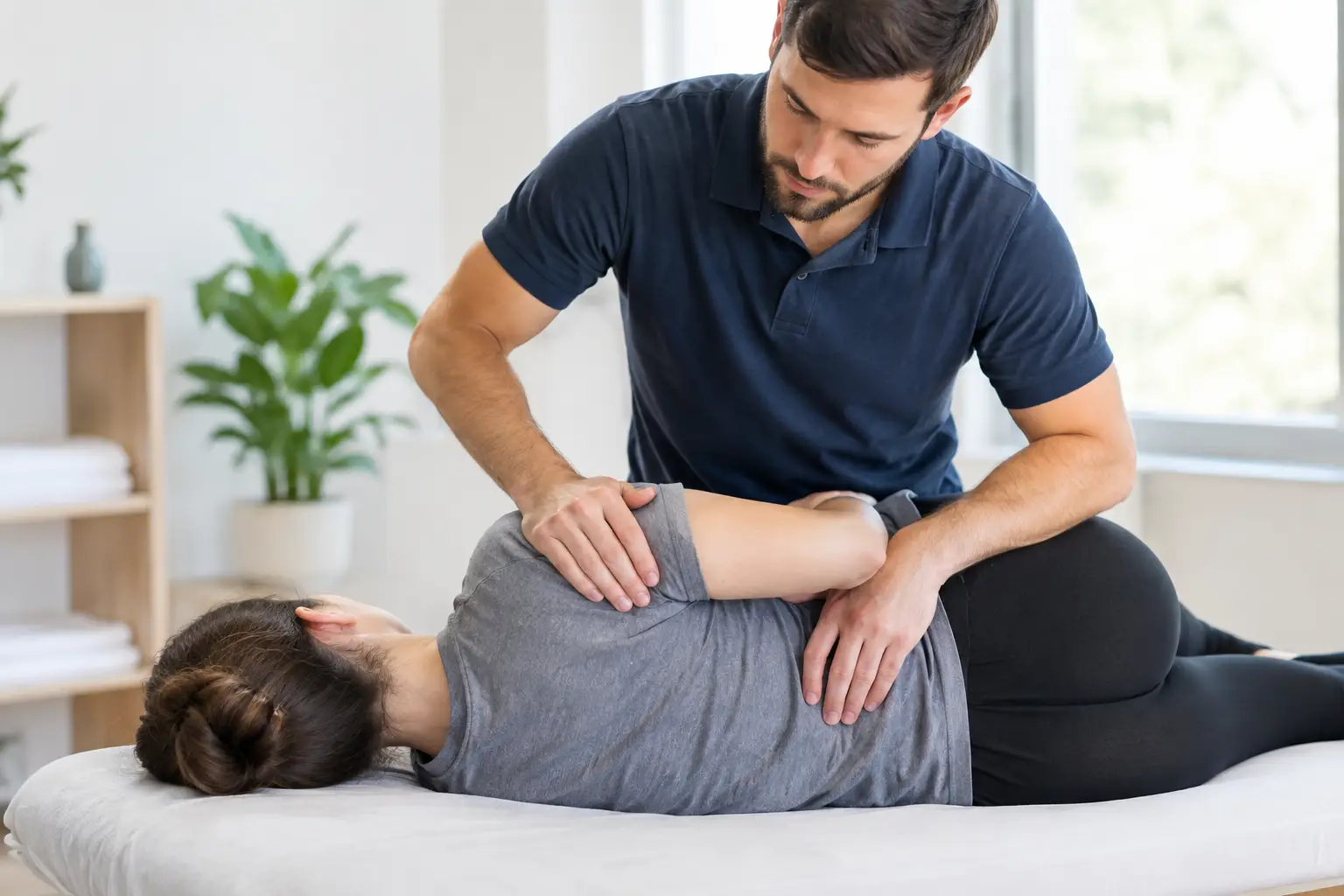
A stiff neck after long days at a desk, a lower back that objects to the morning commute, or a recurring tightness that limits training can make even simple routines feel harder than they should. This osteopathy treatment guide explains how osteopathic care works, what a session may involve and when it may be a worthwhile part of your recovery plan.
Osteopathy takes a whole-body view of movement and physical comfort. Rather than focusing only on the place that hurts, an osteopath considers how your joints, muscles, posture, daily demands and movement patterns may be contributing to the problem. Treatment is always individual. The approach that suits a runner with hip discomfort will not necessarily suit a hotel guest waking with a sore neck or a busy professional carrying stress through their shoulders.
What is osteopathy treatment?
Osteopathy is a form of hands-on healthcare delivered by university-qualified, registered osteopaths in Australia. It is commonly used to help manage musculoskeletal concerns involving muscles, joints, connective tissues and movement.
Your osteopath begins by listening. They will ask about your symptoms, health history, work or training routine, past injuries and what you would like to get back to doing comfortably. They may assess posture, joint movement, strength and the way different areas of your body work together.
From there, treatment may include gentle joint mobilisation, soft-tissue techniques, stretching, massage-style work or, where appropriate and with your consent, joint manipulation. Advice around movement, activity modification and simple exercises may also form part of the plan. The aim is not to force a quick fix. It is to support more comfortable movement while addressing the factors that may be keeping you sore, stiff or restricted.
Who may benefit from osteopathic care?
People seek osteopathy for many different reasons. It may be suitable when pain, tightness or reduced movement is affecting your work, sleep, exercise or ability to switch off. Common reasons for an appointment include lower back pain, neck and shoulder tension, headaches linked to neck tension, sporting overload, hip discomfort and stiffness after travel or prolonged sitting.
It can also be a considered option during recovery from a strain or after periods of reduced activity, provided your practitioner has assessed that hands-on treatment is appropriate. For active people, the value may be in identifying load-related patterns and building a sensible path back to training. For someone whose body feels constantly tense, treatment may offer a calm, focused opportunity to release guarded muscles and restore confidence in movement.
That said, osteopathy is not the answer to every type of pain. Persistent symptoms, recurrent flare-ups or pain that is worsening should be assessed properly rather than simply managed session by session. A good osteopath will be clear about the limits of treatment and recommend further medical assessment when needed.
Your osteopathy treatment guide: what to expect
A quality consultation should feel unhurried, professional and tailored to you. Before treatment begins, your osteopath should explain their findings in plain language, discuss the recommended approach and gain your consent. You should feel comfortable asking what a technique is for, how it may feel and whether there are alternatives.
The first appointment is often longer because it includes a detailed case history and physical assessment. Wear clothing that allows you to move easily, such as activewear or loose, comfortable pieces. Depending on the area being assessed, your practitioner may ask you to adjust clothing while preserving your privacy and comfort with appropriate draping.
During treatment, pressure can range from very gentle to firm, depending on your condition and preferences. Effective care does not need to be painful. Some tender areas may feel sensitive, particularly where muscles are already protective or overloaded, but you should always tell your practitioner if the pressure is too much.
Afterward, some people feel looser and more mobile immediately. Others notice mild tenderness or fatigue for a day or two, similar to how the body may respond after unfamiliar exercise. Your osteopath may suggest water, gentle walking, specific mobility work or a short pause from a provoking activity. The right advice depends on your presentation, not a one-size-fits-all rule.
How many sessions will you need?
There is no honest universal answer. A recent, uncomplicated strain may respond well over a small number of appointments, while long-standing pain or an issue shaped by work demands, stress, sleep and training load may need a more gradual approach.
Your goals matter too. Some clients want support to settle an acute flare-up; others want ongoing care to manage the physical demands of sport, frequent travel or a desk-based role. Your practitioner should discuss expected progress, review the plan as you respond and avoid promising guaranteed results.
Osteopathy, massage and physiotherapy: what is the difference?
These services can overlap, and each may have a valuable place in your wellbeing routine. The best choice depends on your symptoms, preferences and goals.
Osteopathy generally combines assessment, hands-on treatment and movement advice with a broad focus on how the body functions as a connected system. Remedial massage is often particularly helpful for muscular tension, recovery and relaxation, using targeted soft-tissue techniques. Physiotherapy may place greater emphasis on diagnosis, rehabilitation and progressive exercise, particularly after injury or surgery.
You do not always have to choose one approach forever. For example, someone preparing for an event may benefit from osteopathic assessment alongside massage for muscular recovery and a tailored exercise program from a physiotherapist. Coordinated, evidence-informed care is more useful than treating therapies as competitors.
When to seek medical advice first
Hands-on care is not a substitute for urgent medical assessment. Seek prompt medical attention for severe pain following significant trauma, sudden weakness, numbness that is worsening, loss of bladder or bowel control, unexplained weight loss, fever with back pain, chest pain, or symptoms that make you feel seriously unwell.
You should also let your osteopath know about pregnancy, osteoporosis, blood-thinning medication, recent surgery, cancer treatment or any diagnosed health condition. This does not automatically rule out treatment, but it may change the techniques used or mean another healthcare professional should be involved first.
Making your appointment work harder for you
The most useful information is often practical: what makes your symptoms better or worse, when they started, what activity you have had to stop and what previous treatments have or have not helped. Be open about your goal, whether that is sleeping without discomfort, finishing a workday with less tension or returning to the gym with confidence.
A mobile appointment can make this process especially convenient. Being assessed in your home, hotel or workplace may give your practitioner a clearer sense of the environment where your discomfort occurs, while removing the need to travel when movement feels difficult. Rejuvenators brings qualified practitioners and professional equipment to clients across selected Australian metropolitan areas, creating a polished treatment experience around your schedule.
Lasting change often comes from small, repeatable choices outside the session: a more considered training load, regular movement breaks, better desk set-up or the confidence to rest when your body asks for it. Osteopathic treatment can be a valuable starting point for that reset, with the right practitioner helping you move towards what matters most in your day.