A tight neck at 7 pm, heavy legs after a long flight, or a lower back that has objected to another day at the desk rarely fits neatly into clinic opening hours. That is where an on demand massage review becomes useful. Rather than asking only whether mobile massage is convenient, the better question is whether it delivers the quality, safety and personalised results you would expect from an established treatment setting.
For many Australians, the answer is yes, provided the service is selected carefully and the treatment suits the goal. A mobile massage can be deeply restorative, but not every booking needs the same style of practitioner, pressure or session length. The value lies in matching the treatment to what your body needs, then making sure the provider has the standards to deliver it well.
What an on demand massage should feel like
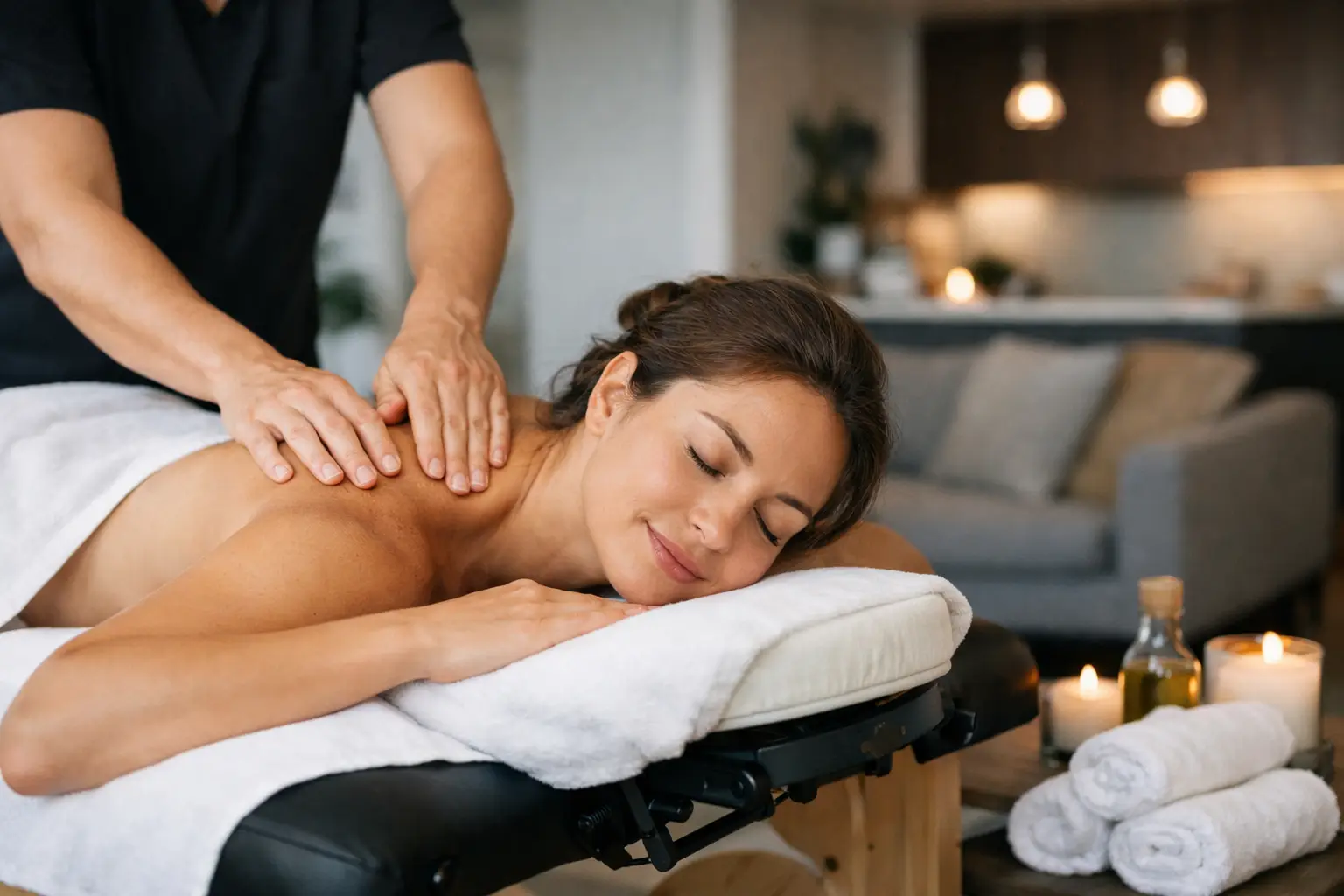
On demand massage means the practitioner travels to you, whether that is your home, hotel room, workplace or event venue. They should arrive with the practical essentials: a professional massage table, clean linen, oils or balms where appropriate, and enough time to set up without cutting into your treatment.
The strongest part of the experience is not simply avoiding traffic or a waiting room. It is being able to move from treatment to rest without immediately driving, catching public transport or returning to a busy street. For a relaxation massage, that extra calm can make a noticeable difference. For someone recovering from travel, training or demanding work, it also makes it easier to protect the recovery time that follows.
A quality practitioner will begin with a brief consultation. Expect questions about sore areas, recent activity, injuries, health conditions, pressure preferences and what you want from the session. That conversation matters. A person seeking relief after a weekend of sport may benefit from a very different approach to someone who wants to settle a stressed nervous system before sleep.
On demand massage review: the real benefits
The convenience is genuine, but it should not be the only reason to book. Mobile massage works best when convenience supports better care rather than replacing it.
For busy professionals, an in-home session can remove the friction that often pushes self-care to the bottom of the list. A treatment at the end of the working day can help release accumulated muscular tension and create a clearer separation between work and rest. For hotel guests, particularly those arriving after flights or long meetings, it can turn a spare hour into a practical reset rather than another logistical task.
There is also a comfort factor that is easy to underestimate. Being treated in familiar surroundings may help some clients relax more quickly, especially when stress, poor sleep or sensory overload is part of the picture. Couples can enjoy a shared wellness experience without organising separate appointments, while workplaces can offer a thoughtful wellbeing option without asking staff to leave the office.
For active people, mobile therapy can be useful around training, competition or recovery periods. That does not mean every post-workout body needs firm deep tissue work. Sometimes a lighter, circulation-focused session is more appropriate. A capable practitioner should explain the options and adapt to how your body presents on the day.
Where mobile massage involves trade-offs
An honest review needs to acknowledge that mobile treatment is not identical to attending a dedicated clinic. A clinic may have specialised equipment, a broader range of modalities on site, or access to other health professionals. If your symptoms are complex, worsening, connected to a recent injury or causing numbness, weakness or significant pain, an assessment by the appropriate health professional may be the better first step.
Your environment also affects the session. A quiet, reasonably private room with enough space for a table will create a more relaxing result than a cramped room beside a noisy television. At home, it helps to allow a little time before and after the booking, keep pets in another area if needed, and let the practitioner know about parking or building access in advance.
Pricing is another consideration. An on-demand service reflects travel time, setup, equipment and the convenience of receiving care where you are. It may cost more than a short walk-in appointment, but it can represent strong value when it saves travel, fits into a demanding schedule and gives you a better opportunity to rest afterwards. The key is transparent pricing, clear session durations and no surprises before the practitioner arrives.
How to judge quality before you book
A polished website is not enough on its own. Look for signs that the provider takes professional standards seriously, including clear information about therapist qualifications, treatment types, hygiene practices, booking policies and service areas. Reviews can provide useful context, particularly when they mention punctuality, communication, practitioner skill and whether the treatment felt tailored rather than routine.
It is worth asking what happens if your preferred therapist is unavailable, your plans change, or you need a different treatment style. Reliable providers have systems that make these moments straightforward. Online and app-based booking can be helpful, but only when it is backed by responsive service and accurate availability.
Experience at scale can also be reassuring. A provider trusted by premium hotels, corporate clients and private customers has to meet high expectations for presentation, discretion and consistency. Rejuvenators, for example, has spent 30 years delivering mobile wellness services and is a preferred supplier to more than 800 premium hotels across Australia. Those credentials do not replace the importance of an individual practitioner-client fit, but they do signal an established operational standard.
Choosing the treatment that matches your goal
The phrase “massage” covers a wide range of experiences. Booking the right one can be the difference between leaving pleasantly relaxed and feeling that the session missed the point.
If your priority is slowing down, easing general tension and sleeping better, relaxation massage is often the right place to start. Pressure can still be adjusted, but the focus is on comfort, calm and whole-body restoration.
For persistent tightness, physical work demands or muscular discomfort, remedial or deep tissue-focused treatment may be more suitable. These sessions tend to be more targeted and should never be a test of how much discomfort you can tolerate. Effective work may feel intense at times, yet pressure should remain within a level you can communicate and manage.
Sports massage can suit people preparing for activity, managing the effects of a training load or looking to support recovery. Again, timing matters. A vigorous session immediately before an important event will not suit everyone. Be specific about your schedule, your sport and how your body usually responds.
Some clients may be interested in reflexology, recovery-focused therapies, or complementary options such as PEMF and vibroacoustic therapy. These can be worthwhile additions when they align with your preferences and the provider clearly explains their intended role. They should not be presented as a substitute for medical diagnosis or treatment.
The conversation that makes the session better
A premium mobile massage should never feel like a fixed routine performed in your lounge room. Speak up about what has changed since your last treatment, even if it seems minor. Poor sleep, a new gym program, pregnancy, medication changes, a recent illness or a stressful week can all influence the most appropriate approach.
During the massage, give direct feedback about temperature, positioning and pressure. Asking for lighter pressure is not being difficult. Nor is requesting more focus on your shoulders, calves or hands. A good practitioner welcomes that guidance because it helps them provide a treatment that is both comfortable and useful.
Afterwards, avoid treating the session as a quick fix that permits you to ignore the issue until it returns. Drink water if you are thirsty, allow your body a quieter evening where possible, and notice how you feel over the next day or two. If the same problem keeps returning, the pattern may point to workload, sleep, ergonomics, training habits or a need for further clinical advice.
Is on demand massage worth booking?
On demand massage is most worthwhile when you value time, privacy and care that is designed around your day. It is especially compelling for hotel stays, demanding work weeks, recovery periods, couples’ occasions and anyone for whom travelling to an appointment creates another barrier to feeling better.
The best experience is not defined by how quickly you can book. It is defined by a qualified practitioner arriving prepared, listening carefully and helping you leave the session more comfortable than when it began. Choose a provider you feel confident inviting into your space, then give yourself permission to keep the time afterwards clear. Sometimes the most restorative part of the booking is not having anywhere else to be.