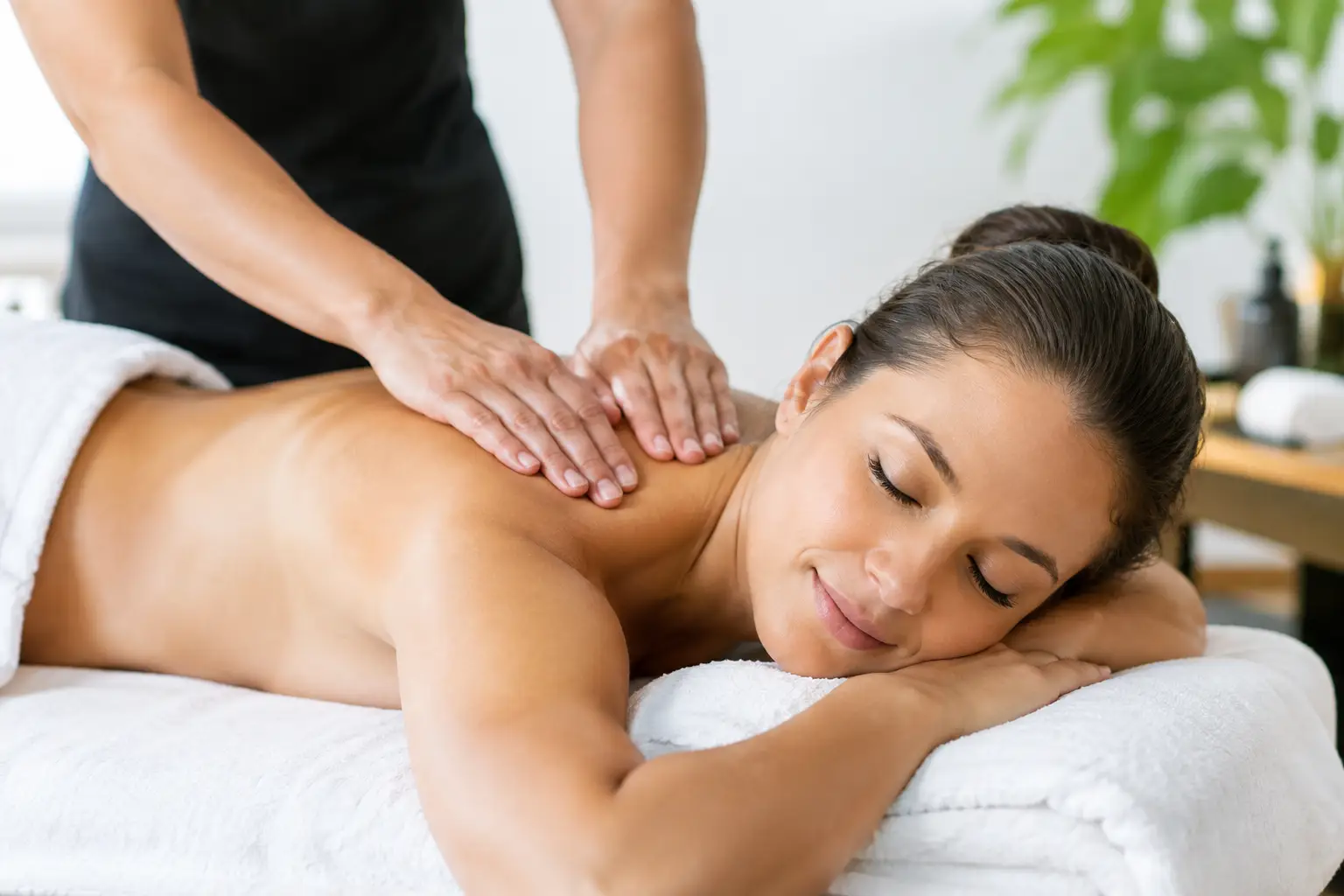
A massage should leave you feeling lighter, calmer or more mobile – not as though you have had to endure it. Whether you are booking a quiet reset after a demanding week, recovering from training, or managing stubborn muscle tension, knowing how to choose massage pressure helps turn a good treatment into the right treatment for your body.
Pressure is not a test of toughness. It is one part of a tailored experience that also considers your goals, health history, stress levels, activity and how your body responds on the day. The ideal level can even change from one appointment to the next.
Start with the outcome you want
The best pressure is usually guided by what you would like the massage to achieve. If your priority is switching off after travel, work deadlines or poor sleep, light to medium pressure often supports relaxation more effectively than intense work. Your nervous system has a better chance to settle when touch feels safe, steady and comfortable.
For general muscle tightness, medium pressure can be a useful middle ground. It allows the practitioner to work through areas such as the shoulders, upper back, hips and calves while keeping the experience restorative. Many people are surprised by how much relief can come from skilled, moderate pressure rather than force.
If you are active, have a specific area of muscular restriction, or are preparing for or recovering from exercise, firmer pressure may be appropriate. Sports and deep tissue approaches can focus more directly on dense, overworked tissue. Even then, the goal is not to push as hard as possible. Effective treatment works with your body’s capacity, not against it.
Relaxation, remedial and deep tissue are not pressure settings
It is easy to assume that relaxation massage always means light pressure and remedial massage always means very firm pressure. In practice, there is more nuance. A relaxation treatment can include focused medium pressure through the shoulders, while a remedial or sports session may begin gently to assess sensitivity and prepare the area.
The style describes the treatment’s purpose and approach. Pressure is adjusted within that approach according to your feedback, comfort and tissue response.
Use a simple comfort scale
You do not need technical language to explain what feels right. A simple scale from one to 10 is often enough. For most massage work, a sensation around five to seven can feel purposeful without becoming distressing. You may notice tenderness, warmth or a satisfying sense of release, but you should still be able to breathe normally and avoid bracing your body.
A pressure level of eight, nine or 10 is not automatically more effective. Sharp pain, burning, tingling, numbness or the urge to hold your breath are signs that the pressure may be too much or that the technique needs to change. Your muscles can tighten protectively when they feel threatened, which works against the result you came for.
Good pressure often feels like a productive discomfort that eases as the practitioner works. Bad pressure tends to feel alarming, pinchy, electrical or increasingly painful. Trust that distinction. There is no prize for staying quiet through a treatment that does not feel right.
Consider what your body is carrying that day
Your preferred pressure is influenced by more than your usual tolerance. Poor sleep, stress, dehydration, a long-haul flight, a hard training session or the first days of a menstrual cycle can all make your body more sensitive. An area that usually enjoys firm work may need a lighter approach on a particular day.
Similarly, new soreness is different from long-standing tightness. If you have just completed an unfamiliar workout, a strong massage directly over very sore muscles may leave you feeling more tender. A recovery-focused treatment using measured pressure, circulation-supporting strokes and mobility work can be a better choice.
Firm pressure may also be unsuitable over bruises, inflamed joints, varicose veins, recent injuries, sunburn or irritated skin. Tell your practitioner about any changes in your health, recent surgery, pregnancy, medications, medical conditions or areas you have been advised to avoid. When there is uncertainty, a qualified health professional can help you decide what is appropriate.
Your pain threshold is not the whole story
Some people can tolerate strong pressure but do not actually benefit from it. Others are highly sensitive but respond beautifully to lighter, precise work. A practitioner’s aim is not simply to match your pain threshold. It is to select pressure that supports your goals while respecting the state of your muscles and nervous system.
This is particularly relevant if you spend long hours at a desk. Neck and shoulder tension can feel dense, but aggressive pressure may trigger guarding or a headache. Slower, targeted work around the upper back, chest, scalp and shoulders can sometimes create more lasting ease.
How to choose massage pressure before your appointment
When booking, be clear about the result you are hoping for. You might say that you want to relax but have tight shoulders, that you are training for an event and need recovery support, or that you would like help with general muscular tension without an overly intense treatment.
It is helpful to share your usual preference, but leave room for professional judgement. Saying, “I usually like firm pressure, but my lower back feels tender today,” gives your practitioner useful direction. Equally, “I prefer a gentle massage but would like a little more focus on my calves,” is specific without asking your body to tolerate more than it wants.
For an in-home or hotel massage, comfort begins before the treatment starts. Wear whatever helps you feel at ease, allow enough time afterwards to rest if possible, and avoid scheduling a demanding workout immediately after a deeper session. A mobile treatment should fit naturally into your day, whether that is a reset between meetings or a quieter end to a busy trip.
Speak up during the massage
The first few minutes are an assessment, not a commitment to one pressure for the entire session. Your practitioner may check in as they work, but you can also guide the treatment at any point. Short, direct feedback is ideal: “A little lighter there”, “That is perfect”, “Can you spend more time on this side?” or “That feels too sharp.”
Pressure can be adjusted area by area. You may enjoy firmer work through the glutes and calves, prefer moderate pressure across the back, and need a much gentler touch around the neck or forearms. This is normal. Your body is not one uniform map of tension.
If you feel discomfort after an adjustment, say so quickly rather than waiting for the area to settle. A skilled practitioner has many ways to work with tension, including changing the angle, pace, technique or area of focus. More pressure is only one option.
What to expect afterwards
After a well-matched massage, you may feel relaxed, sleepy, looser or more aware of areas that had been holding tension. Following deeper work, mild tenderness for a day can happen, especially if you were already tight or active. It should feel manageable, similar to the aftermath of exercise, and improve rather than intensify.
Severe pain, extensive bruising, numbness, worsening symptoms or discomfort that does not settle are not signs of a successful massage. Contact a health professional if you have concerning symptoms. For your next session, let the practitioner know exactly how you felt in the hours and days afterwards so the approach can be refined.
A glass of water, gentle movement and a quieter evening can help you make the most of the treatment. There is no need for extreme detox routines or painful stretching. Giving your body a little space to recover is usually enough.
Let the treatment be tailored, not tolerated
The right massage pressure is the level that helps you reset, recover or move more freely while still feeling cared for. It may be light and calming one week, firm and focused the next, or varied across the same session.
At Rejuvenators, qualified mobile practitioners tailor each treatment around your comfort, condition and goals, so you can receive thoughtful, professional care without adding another trip across town. The most useful feedback is always the simplest: tell your practitioner what your body is feeling, and let comfort guide the way.