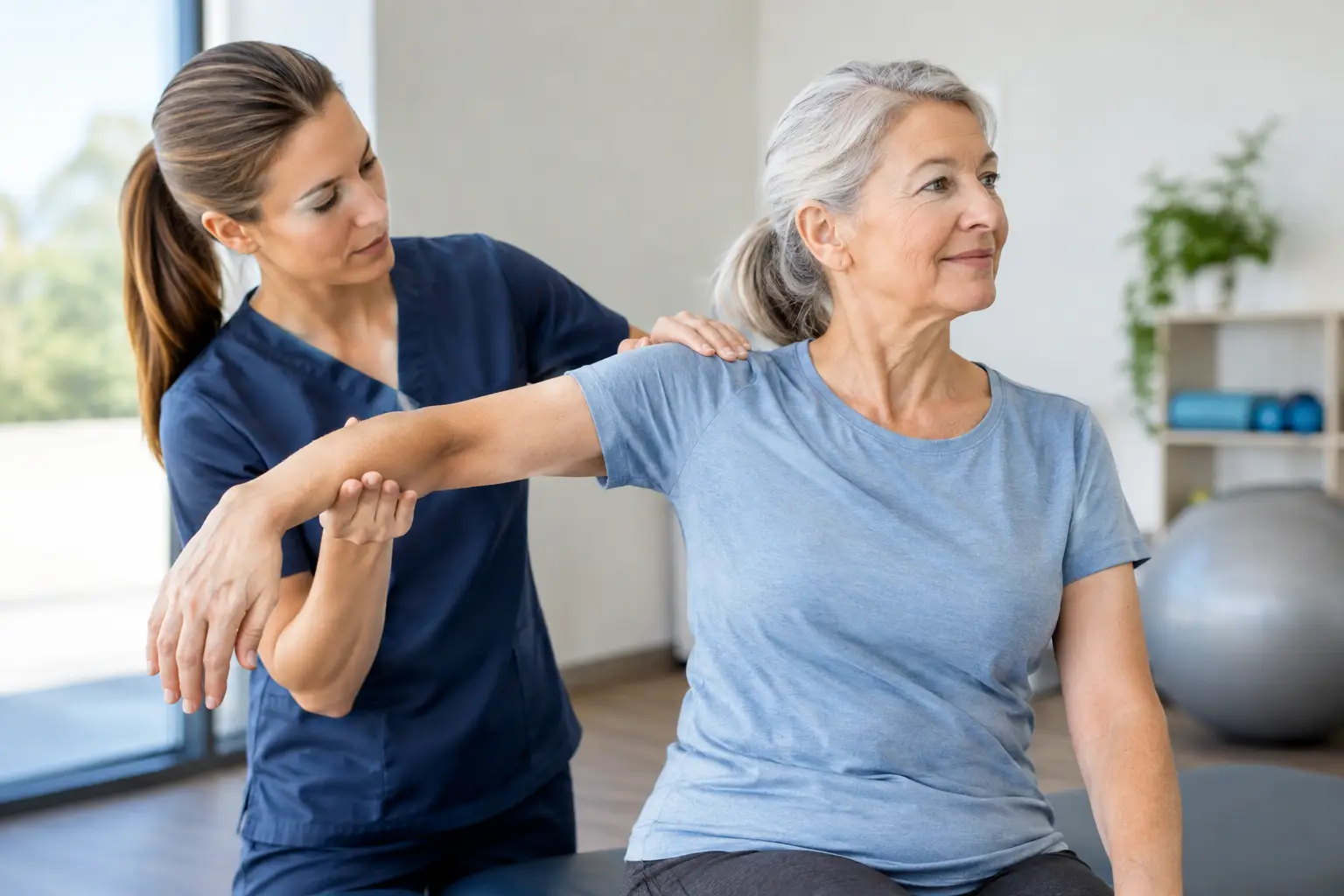
Stiff joints have a way of making ordinary moments feel needlessly difficult. The first few steps after getting out of bed, turning your neck to reverse the car, or standing after a long meeting can all become a reminder that your body needs a little more care. The best therapies for stiff joints are not always the most intense. They are the ones matched to the cause of your stiffness, your current comfort level and the way you need to move through daily life.
For some people, stiffness follows a demanding gym session, a long-haul flight or hours at a desk. For others, it is linked to ageing, old injuries, arthritis or a health condition that needs medical management. A considered approach can ease muscular tension, support mobility and make movement feel more comfortable – without pushing a sore body too hard.
Why joints feel stiff in the first place
A joint may feel stiff when the muscles, tendons and connective tissue around it are tight or under strain. Long periods of sitting can contribute, particularly around the hips, lower back, shoulders and neck. Repetitive movement, poor recovery after exercise, dehydration and stress can also leave the body feeling guarded and restricted.
Sometimes the joint itself is involved. Osteoarthritis, inflammatory arthritis, bursitis and previous injuries can all affect how freely a joint moves. Morning stiffness that lasts a long time, recurrent swelling or warmth around a joint should not be written off as ordinary tightness.
This distinction matters because deep pressure may feel excellent for post-workout muscular tension, while a hot, swollen or highly sensitive joint may need a gentler approach and assessment from a doctor or allied health professional first. Good therapy begins with listening to the body, not forcing it to comply.
Best therapies for stiff joints: a tailored approach
Remedial massage for tight, overworked muscles
When stiffness is driven by muscular tension, remedial massage can be a highly effective starting point. A qualified therapist works with the muscles surrounding the restricted area, rather than simply pressing on the joint itself. For example, hip stiffness may be influenced by tension through the glutes, hip flexors and lower back, while shoulder restriction can be connected to the chest, upper back and neck.
A tailored remedial treatment may use a mix of focused massage, stretching and movement-based techniques to reduce tension and help restore comfortable range of motion. It is particularly useful after prolonged desk work, travel, physical labour or a return to exercise after time away.
The right pressure matters. More force is not automatically better, particularly if you are already sore or apprehensive about movement. A skilled practitioner will adjust the treatment according to your feedback, helping you feel supported rather than battered.
Sports and deep tissue massage for training-related stiffness
Active people often experience stiffness as part of a training load that has outpaced recovery. Sports massage and deep tissue techniques can help address dense, persistent muscular tightness, especially through the calves, hamstrings, quads, glutes, back and shoulders.
These treatments are best viewed as part of a recovery plan, not a shortcut around sensible training habits. If your knees feel stiff after increasing your running kilometres, for instance, massage may help settle overloaded surrounding muscles, but you may also need to review footwear, running volume, strength work and rest days.
Deep tissue massage is not suitable for every type of pain. If a joint is acutely inflamed, bruised, swollen or recently injured, firm work can be uncomfortable and may not be appropriate. Let your therapist know what has changed, where you feel symptoms and whether you have had any diagnoses or treatment recently.
Osteopathy when movement patterns need attention
Osteopathy takes a broader look at how your body moves and where it may be compensating. Rather than focusing only on the stiff joint, an osteopath may assess posture, mobility, muscle balance and the relationship between areas such as the feet, hips, spine and shoulders.
This can be valuable when stiffness keeps returning despite stretching or massage. A stiff neck that reappears every week, for example, may be connected to workstation habits, upper-back mobility, stress-related tension or an old shoulder injury. Treatment may include hands-on techniques, joint mobilisation, soft tissue work and practical advice on movement and load management.
The goal is not to chase perfect posture. It is to help your body move with less strain and give you useful strategies between appointments. For recurring or complex stiffness, this more detailed assessment can be the missing piece.
Gentle movement and mobility work
Joints generally respond well to regular, tolerable movement. When people feel stiff, the instinct can be to stay very still. Rest can be appropriate after injury or a flare-up, but prolonged inactivity often makes everyday stiffness worse.
The most useful mobility routine is usually the one you will actually repeat. A short walk, gentle shoulder circles, controlled hip movements, calf raises or a few minutes of stretching after sitting can be more beneficial than an ambitious session done once a fortnight. Start within a comfortable range and build gradually. Sharp pain, catching or instability are signs to stop and seek guidance.
Strength also supports mobility. Stronger muscles help share load around a joint, which can make activities such as climbing stairs, carrying bags or getting up from a chair feel easier. An osteopath, physiotherapist or qualified exercise professional can guide this where pain or injury is part of the picture.
Heat, recovery rituals and nervous system reset
Warmth can feel deeply soothing for stiffness that is not associated with acute swelling. A warm shower, heat pack or bath may help relax tense muscles before gentle movement or massage. Many clients find that booking a treatment at home makes it easier to follow through with recovery, because there is no commute, parking or waiting room after the session.
Relaxation is not separate from physical recovery. Stress can increase muscle guarding, disrupt sleep and make discomfort feel more intrusive. A calming massage treatment may help you slow down, breathe more freely and reconnect with how your body is feeling. That reset can be especially helpful for busy professionals and frequent travellers who carry tension from one demanding day into the next.
Complementary modalities such as PEMF or vibroacoustic therapy may also appeal to people seeking a gentle recovery-focused experience. Responses vary, and these should complement – rather than replace – assessment and movement-based care where needed. Be clear about your goals and any health conditions so your practitioner can advise whether a modality is suitable.
When stiffness needs medical advice
Most mild stiffness related to activity, posture or tension improves with gentle movement, recovery and appropriately tailored bodywork. However, some symptoms deserve prompt medical attention. Seek advice from a GP or relevant health professional if you have severe pain after an injury, obvious joint deformity, fever, redness or significant warmth, sudden swelling, numbness or weakness, or difficulty bearing weight.
It is also wise to arrange an assessment if morning stiffness regularly lasts longer than 30 minutes, symptoms persist for several weeks, or pain wakes you at night. These patterns can indicate something beyond ordinary muscular tightness. A diagnosis does not mean you must stop moving or avoid massage forever, but it does mean your care plan should be better informed.
Tell your therapist about joint replacements, osteoporosis, blood-thinning medication, inflammatory conditions, pregnancy, recent surgery or any unexplained symptoms. Professional, personalised care relies on that conversation.
Making therapy work beyond the appointment
One excellent treatment can bring welcome relief, but consistency usually creates the more meaningful change. Notice when your stiffness is worst: after sleep, after sitting, following exercise or at the end of a stressful week. That pattern offers useful clues about what your body needs.
Pair hands-on therapy with small habits that fit real life. Break up long periods at your desk, warm up before demanding activity, keep water nearby, and give yourself enough recovery after a heavy session. If you are unsure which treatment suits you, explain what you are feeling and what you want to get back to doing. A qualified practitioner can tailor the session accordingly.
At Rejuvenators, experienced mobile practitioners can bring that tailored care to your home, hotel or workplace, so support for tired hips, tight shoulders or post-training recovery can fit around your schedule. The most helpful next step is often a gentle one: make space to move, recover and let your body feel looked after again.