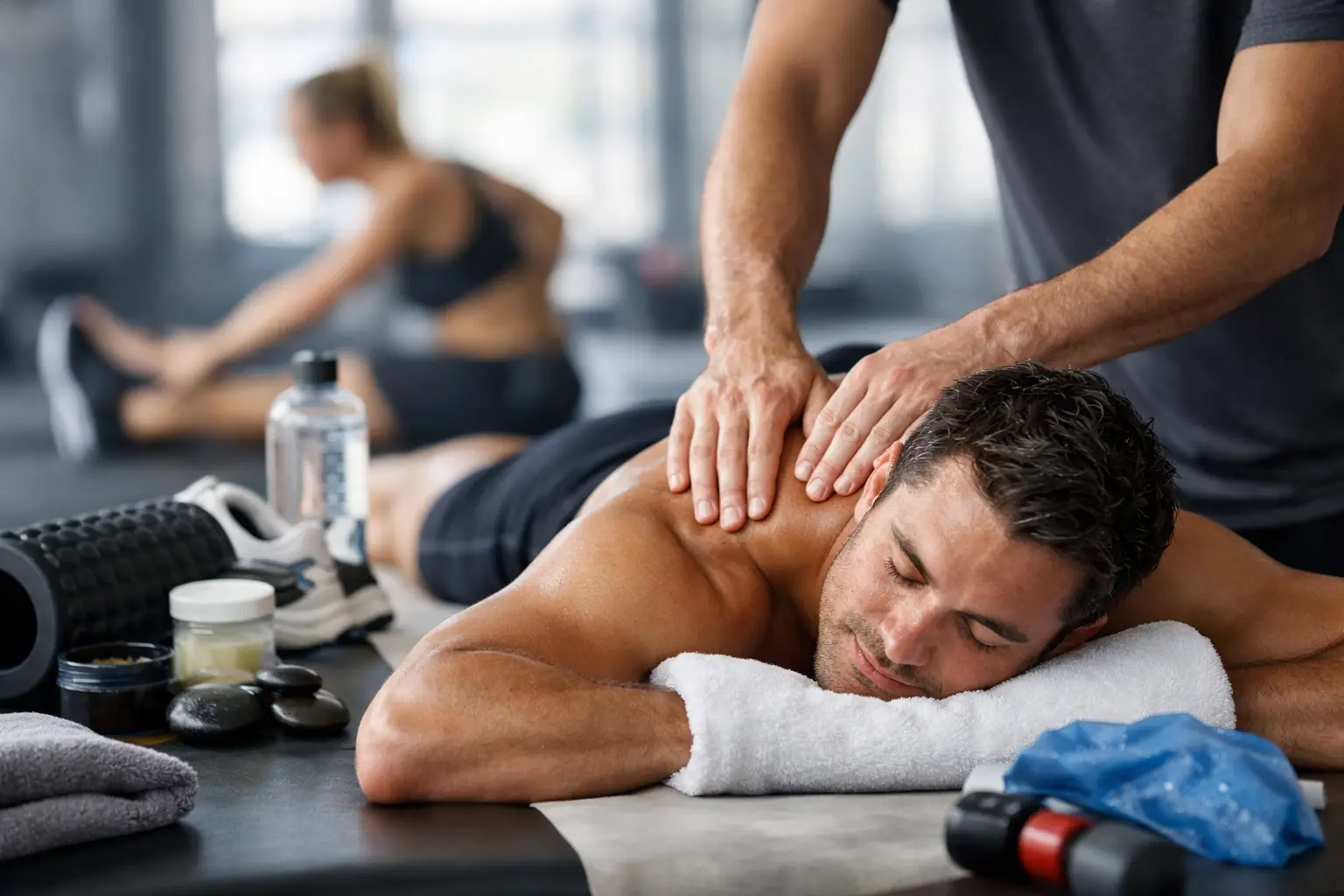
The best sports massage recovery tips start with timing, not tolerance. If your calves are tight after a long run, your shoulders are loaded after swimming, or your legs feel heavy after a demanding gym session, the goal is not to push through more discomfort. It is to give your body the right kind of support so it can settle, adapt and return to movement feeling more capable.
Sports massage can be a valuable part of that process. Used thoughtfully, it may help reduce the feeling of muscle tightness, support comfortable movement and create a much-needed pause after hard training. It is not a shortcut around sleep, nutrition or sensible programming, but it can work beautifully alongside them.
Sports Massage Recovery Tips for Better Results
Match the treatment to your training load
A massage the day after a tough event should feel different from a session booked during a lighter training week. Immediately after a marathon, tournament or intense strength session, many people benefit from a gentler recovery-focused treatment. Broad, calming techniques can ease the sense of heaviness without adding further stress to already fatigued tissue.
Deeper remedial or sports-focused work may be more suitable when you are not acutely sore and have time to recover before your next demanding session. If you have an important race, match or long ride tomorrow, a very firm treatment can leave you feeling tender or temporarily flat. Tell your practitioner exactly what you have done, what is coming up and how your body feels on the day. That information helps them tailor the pressure, focus areas and pace of the session.
Do not confuse soreness with progress
More pressure is not automatically better pressure. A common misconception is that a sports massage needs to hurt to be effective. In reality, a treatment that has you bracing, holding your breath or tensing against the table can make it harder to relax and may aggravate sensitive areas.
Aim for pressure that feels purposeful but manageable. You may notice a strong stretch-like sensation or brief tenderness around a tight area, yet you should still be able to breathe normally and communicate clearly. Good practitioners adjust throughout the session, because a body that has trained hard, travelled for work or slept poorly will not respond the same way every time.
Hydrate normally and eat for recovery
There is no need to force litres of water after massage, but arriving well hydrated and continuing your usual fluid intake can help you feel more comfortable. If you have sweated heavily, train in warm conditions or completed a long endurance session, include electrolytes and food as appropriate for your workout.
Massage does not replace refuelling. A meal or snack containing carbohydrates and protein after hard exercise supports muscle recovery far more reliably than any single treatment. Think of massage as one useful piece of your recovery routine, alongside fluids, food and rest.
Keep movement easy after your session
Unless your practitioner gives different advice, gentle movement is often preferable to spending the rest of the day completely still. A short walk, light mobility work or an easy spin can help you notice how your body is settling without turning recovery into another workout.
Avoid using a massage as permission to launch straight into maximum-effort training. Your nervous system may feel calmer and your range of movement may feel freer, but underlying fatigue can still be present. If you have had intensive work on a particularly tight area, give yourself a little space before testing it under heavy load.
Build Massage Into Your Wider Recovery Plan
Massage works best when it is planned rather than saved only for the point where you can barely turn your head or walk downstairs. For active people, the ideal frequency depends on training volume, sport, injury history, travel and budget.
Someone in a demanding training block may choose regular sessions to manage recurring tightness and monitor how their body is coping. A recreational runner or gym-goer may find an occasional treatment after a big event, a change in programme or a stressful period is enough. There is no single schedule that suits everyone.
Prioritise sleep over almost everything else
A relaxed, post-massage feeling is valuable, particularly if stress has been making it hard to switch off. But the bigger recovery opportunity is what happens that night. Create the conditions for quality sleep: finish intense exercise early where possible, eat enough, reduce late-night screen time and give yourself a calm wind-down.
If massage helps you feel less wound up and more comfortable in bed, that is a meaningful outcome. Sleep is when your body carries out much of the repair and adaptation that training asks of it.
Use mobility with purpose
After a treatment, it can be tempting to stretch every tight feeling away. Instead, choose a few movements that suit your activity and the areas discussed with your practitioner. For example, a desk-based cyclist may benefit from gentle hip movement and thoracic rotation, while a strength trainer working on shoulder comfort may need controlled upper-back and shoulder mobility.
Long, aggressive stretching is not always the answer, particularly if an area is irritated rather than simply stiff. Comfortable, controlled movement usually provides better information about what your body needs.
Pay attention to patterns, not just one sore spot
A tender calf can be about the calf, but it may also be related to a sudden jump in running distance, worn shoes, poor recovery between sessions or load elsewhere in the chain. Similarly, neck and shoulder tension may reflect gym technique, laptop posture, travel or accumulated stress.
Use your massage appointment as a chance to describe the pattern: when symptoms appear, what makes them better or worse, and whether your training has changed. A skilled practitioner can adapt the treatment accordingly and may suggest practical ways to reduce the same issue returning.
When to Rest, Refer or Seek Medical Advice
Sports massage is designed to support recovery, not diagnose or treat every injury. Skip massage and seek appropriate medical advice if you have sudden severe pain, significant swelling, a suspected fracture, numbness, weakness, fever, unexplained bruising or pain that is worsening rather than settling.
It is also wise to check with a health professional before treatment if you have a blood-clotting condition, recent surgery, acute inflammation, infection or a medical condition that affects circulation. If you are unsure, share your health history during booking and with your practitioner before the session begins.
For persistent pain, a qualified practitioner may recommend further assessment through a GP, physiotherapist or osteopath. This is not a failure of massage. It is good, responsible care that puts long-term movement and health first.
Make Recovery Convenient Enough to Repeat
Consistency is easier when recovery fits around your real life. Busy professionals, parents, travellers and committed athletes often postpone treatment because adding another trip across town feels impossible after work or training. A mobile sports massage can remove that friction, allowing you to recover in the comfort of home, a hotel or workplace without facing traffic, parking or a rushed commute afterwards.
With Rejuvenators, qualified practitioners bring the table and equipment to you, then tailor the treatment to your current training load, comfort level and recovery goals. That convenience is particularly useful after a demanding event or during a busy week, when the most restorative plan may be a treatment followed by a shower, nourishing meal and an early night.
The most useful recovery routine is the one you can maintain. Book massage when it serves your training, listen when your body asks for a lighter day, and leave enough room in your week to feel restored rather than merely ready to push again.