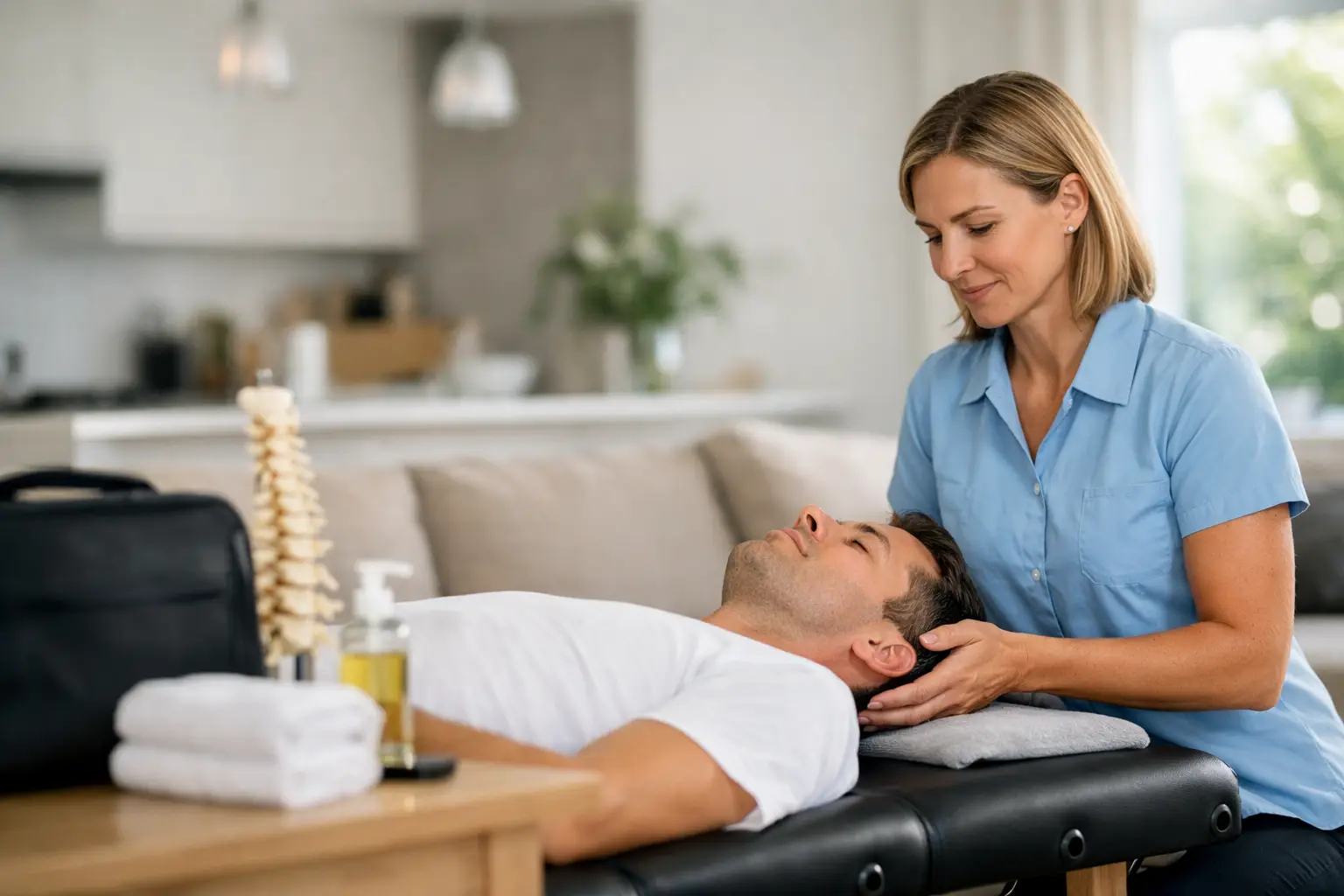
A stiff neck that makes checking your blind spot difficult, a back that tightens after a long week at the desk, or soreness that lingers well beyond training can make a clinic appointment feel like one more task to manage. When you book in-home osteopathy, the treatment comes to the place where you can properly switch off afterwards – without driving, parking or rushing back into your day.
For many Australians, that convenience is more than a luxury. It can make it easier to prioritise movement, recovery and hands-on care when pain or restricted mobility has begun to interrupt work, sleep, exercise or travel. The right mobile appointment should still feel considered and professional: a qualified practitioner, a clear assessment, tailored treatment and practical guidance that fits your goals.
What to expect when you book in-home osteopathy
Osteopathy takes a whole-body view of how you move and function. An osteopath may assess how joints, muscles, posture and everyday movement patterns are contributing to discomfort or reduced range of motion. Treatment can involve hands-on techniques such as soft tissue work, gentle joint mobilisation and stretching, alongside advice about movement, load management or simple exercises.
Your appointment begins with a conversation. Be ready to explain what is bothering you, when it started, what makes it better or worse, and whether it is affecting sleep, work or sport. A practitioner may also ask about previous injuries, medical conditions, medication and recent scans or treatment. These details help them decide whether osteopathic care is appropriate and how to tailor the session safely.
At home, the practitioner typically arrives with a portable treatment table and the equipment needed for the session. You only need a reasonably clear, private area with enough room to move around the table. Comfortable clothing is useful, particularly if the assessment includes checking how you stand, bend, reach or walk.
The experience is designed around your comfort, but it is still clinical care. You should understand what the practitioner plans to do, have the opportunity to ask questions and give consent before treatment begins. If a technique does not feel right for you, say so. Good care is collaborative, not something done to you without explanation.
When in-home care can make the most sense
Mobile osteopathy suits people whose schedules or physical comfort make a clinic visit difficult. A busy professional may prefer an early morning or evening session without adding travel time. A hotel guest may want support after a long flight, a demanding event schedule or hours spent working from a room. Active people often value being able to rest at home after treatment rather than getting straight behind the wheel.
It can also be a considered option when you are easing back into normal movement. If a sore lower back makes car travel unpleasant, or a flare-up has left you feeling guarded and tired, receiving care in a familiar setting can reduce the friction of arranging help. That said, home treatment is not automatically the best choice for every condition. Some assessments, imaging needs or complex presentations may be better managed through a clinic, GP, physiotherapist or specialist.
For workplaces and premium accommodation settings, an on-site service can offer a polished, practical wellbeing option. The key is matching the service to the need. A short session for tension after travel is different from an ongoing plan for a recurring sports issue, and both deserve clear expectations.
Common goals for an osteopathy appointment
People book for many reasons, but the conversation is usually centred on function. You may want to turn your head more freely, sit through a meeting with less discomfort, return to training gradually, or feel less restricted when getting out of bed in the morning. Osteopathy can be part of a broader approach to managing musculoskeletal discomfort and supporting mobility.
Be specific about the outcome that matters most to you. “My shoulder is tight” is helpful, but “I cannot comfortably reach the top shelf” gives the practitioner a clearer picture of how the issue is affecting daily life. Realistic goals also make it easier to judge whether a treatment plan is helping over time.
How to choose a mobile osteopath you can trust
Convenience should never mean guessing about quality. Before you book, confirm that the practitioner is appropriately qualified and registered to practise in Australia. Ask about their experience with your main concern, whether that is desk-related tension, sporting load, persistent neck pain or post-travel stiffness.
A reputable provider will be clear about session length, starting price, travel inclusions and what the appointment involves. They should also explain their cancellation policy and the areas they service, rather than leaving important details until the day. For home visits, professionalism includes arriving prepared, respecting your privacy and providing a treatment environment that feels calm and considered.
It is also worth asking how the provider approaches ongoing care. Some people benefit from a single session and a few useful movement recommendations. Others may need a review appointment, coordination with another health professional or a different approach altogether. Be cautious of anyone who promises a guaranteed cure, recommends an extended course without reassessing your progress, or discourages you from seeking medical advice when it is needed.
Rejuvenators brings three decades of mobile wellness experience to in-home care, with qualified practitioners and a service model designed to make high-quality treatment feel straightforward from booking to recovery.
Prepare your space for a better session
You do not need to turn your lounge room into a treatment clinic. A quiet area with enough floor space for a portable table is generally enough. If possible, keep pets in another room, silence your mobile and allow a little time on either side of the appointment so you are not answering the door mid-session or racing into a video call afterwards.
Have relevant health information nearby, including reports from recent treatment if they are available. Mention any changes since booking, such as a new injury, illness, pregnancy or medication. Wear clothing that allows comfortable movement, and tell the practitioner if you would prefer particular areas to remain covered or if you have any concerns about positioning.
After treatment, give yourself a gentle landing. You may be advised to take a short walk, drink water, keep moving within your comfort level or avoid a particularly demanding workout that day. Responses vary: some people feel looser straight away, while others notice temporary tenderness after hands-on treatment. Your practitioner can explain what is typical for your situation and when to check back in.
Know when to seek urgent medical help instead
Osteopathy is not a substitute for urgent medical assessment. Seek prompt medical attention for severe or worsening symptoms, particularly chest pain, sudden weakness, loss of bladder or bowel control, numbness around the groin, unexplained fever, significant trauma, fainting, or a sudden and unusual headache. If you are unsure whether your symptoms need urgent care, it is safer to contact a medical professional or emergency service.
For less urgent but persistent concerns, a good osteopath can help you understand whether hands-on treatment is suitable or whether another practitioner should be involved. That willingness to refer is a sign of thoughtful care.
A well-timed appointment can create the breathing room to reset, move with more confidence and pay attention to what your body has been asking for. Choose a practitioner who listens carefully, make space for the session, and let the next step be shaped by how you feel and function afterwards.