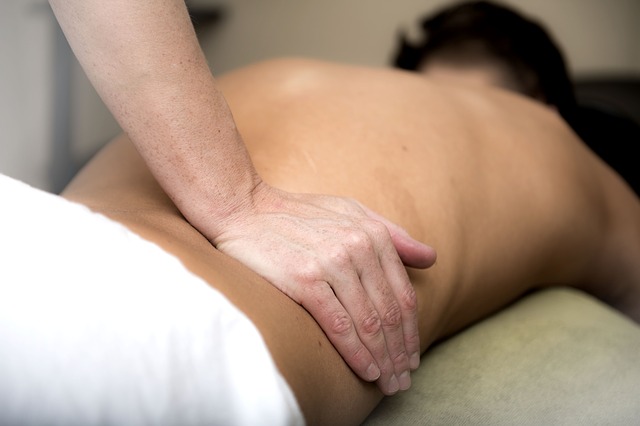
Massage isn’t just about relaxation—it’s a therapeutic treatment that affects the muscular, circulatory, lymphatic, and nervous systems. When targeted appropriately, it can address both the symptoms and root causes of lower back pain.
1. Improves Blood Circulation and Oxygen Flow
Massage stimulates blood flow to the affected area, which:
- Delivers oxygen and nutrients to damaged tissues
- Removes waste products and toxins
- Speeds up healing and reduces soreness
Better circulation also helps loosen stiff muscles and fascia, restoring flexibility and function.
2. Reduces Inflammation and Swelling
Chronic back pain is often linked to inflammation in surrounding tissues or joints. Massage activates the lymphatic system, which helps drain excess fluid and reduce swelling. Additionally, certain massage techniques can lower pro-inflammatory cytokines, allowing the body to calm its immune response naturally.
3. Releases Muscle Tension and Knots
One of the most direct benefits of massage for lower back pain is the relief of tight muscles. Pain often arises from trigger points, also known as “knots,” where muscles are contracted in a small area. Therapists can use deep tissue, myofascial release, or trigger point therapy to:
- Break up adhesions
- Increase muscle pliability
- Relieve nerve compression caused by tight tissue
This is especially helpful for conditions like sciatica, where tight glute or lower back muscles press on nerves and cause radiating pain.
4. Improves Range of Motion and Flexibility
When your back is in pain, your natural instinct is to move less. Unfortunately, immobility often worsens the condition by causing further stiffness and muscle shortening.
Regular massage helps:
- Restore joint mobility
- Stretch muscle fibres
- Encourage safe, pain-free movement
This can be especially beneficial in preventing future flare-ups and maintaining long-term function.
5. Reduces Stress and Enhances Mood
Chronic pain doesn’t just affect the body—it takes a toll on your emotional health. Living with discomfort day after day can lead to irritability, fatigue, and even depression.
Massage helps reduce stress by:
- Lowering cortisol (the stress hormone)
- Increasing serotonin and dopamine, which support mood regulation
- Activating the parasympathetic nervous system, which promotes rest and recovery
A more balanced mental state can reduce pain sensitivity and improve your overall well-being.
Types of Massage Best for Lower Back Pain
Not all massage techniques are the same. The best approach often depends on the nature of your pain, its underlying cause, and your personal preferences.
1. Remedial Massage
- Tailored to target specific injuries or problem areas
- Involves assessment and treatment planning
- Often claimable through private health insurance in Australia
Ideal for: Chronic or injury-related lower back pain
2. Deep Tissue Massage
- Uses slow, firm pressure to target deep muscle layers
- Breaks down adhesions and relieves tightness
Ideal for: Severe tension, postural issues, and long-term stiffness
3. Myofascial Release
- Focuses on fascia (the connective tissue around muscles)
- Gentle, sustained pressure to release restrictions
Ideal for: People with sensitive tissue, postural imbalances, or fibromyalgia
4. Trigger Point Therapy
- Locates and deactivates knots or “trigger points” causing referred pain
- Often used alongside deep tissue techniques
Ideal for: Sciatica, glute tightness, or pain radiating from specific points
Who Can Benefit from Massage for Lower Back Pain?
Massage therapy can benefit a wide range of people, including:
- Office workers with poor posture or sedentary habits
- Athletes or gym-goers recovering from strain or overuse
- Parents and carers who do heavy lifting or spend time on their feet
- Seniors experiencing age-related muscular stiffness or mobility loss
- People with stress-related back pain, especially those prone to tension in the shoulders and lower back
Importantly, massage can also be used in conjunction with physiotherapy, chiropractic care, or medical treatment as part of a holistic recovery plan.
Note: If your pain is linked to a serious structural issue (such as a herniated disc or spinal instability), consult your healthcare provider before booking a massage.
How Often Should You Get a Massage for Lower Back Pain?
The answer depends on the severity and persistence of your symptoms. As a general guide:
- Acute pain or injury: 1–2 sessions per week for the first few weeks, then tapering as improvement occurs
- Chronic pain: Weekly or fortnightly sessions can help maintain relief and prevent flare-ups
- Preventative care: Monthly treatments can help manage stress and posture before pain develops
Consistency is key. Massage is most effective when used as part of a regular self-care or recovery routine.
Rejuvenators: Professional Massage Delivered to Your Door
At Rejuvenators, we understand how debilitating lower back pain can be—and how important it is to find relief that fits into your life. That’s why we bring fully qualified, experienced massage therapists directly to your home, office, or hotel across Australia.
We offer:
- Remedial, deep tissue, and relaxation massage
- Mobile convenience—no travel required
- Health fund rebates (where applicable)
- Support for all ages and body types
Whether you’re looking for short-term relief or long-term support, our mobile massage services are designed to meet you where you are—literally and figuratively.
Take the First Step Toward Relief
Don’t let lower back pain control your life. With the right massage treatment, you can move more freely, sleep better, and feel more like yourself again.
👉 Book a massage for lower back pain with Rejuvenators today and experience the relief your body’s been waiting for.
Book Now | Qualified Therapists | Mobile Service Australia-Wide | Health Fund Rebates Available