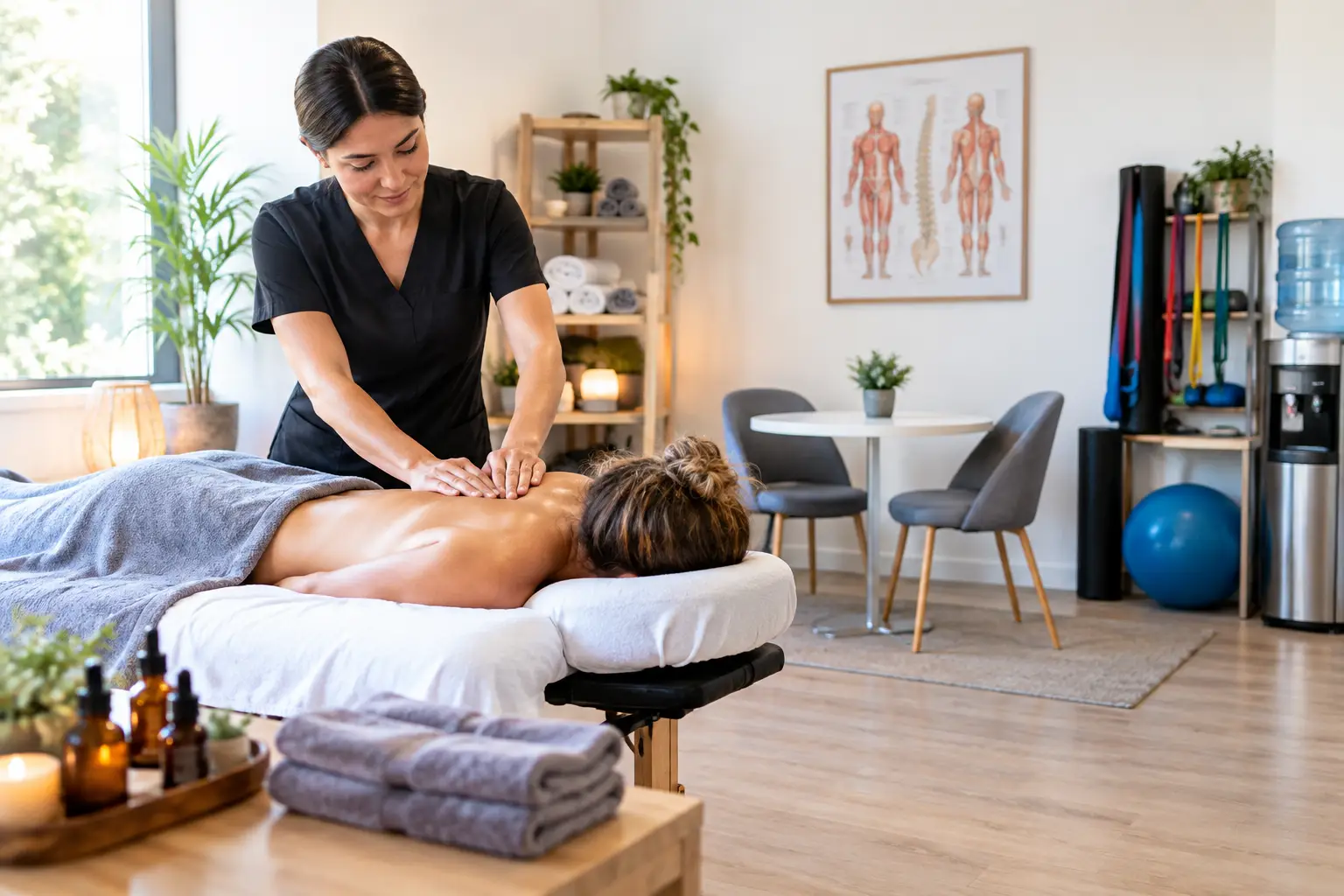
A tight neck after back-to-back meetings, heavy legs after a long flight, or a restless mind at the end of the day can make recovery feel out of reach. The most meaningful massage benefits are often practical: a quieter nervous system, less muscular tension, easier movement and dedicated time to reset without adding another trip across town.
Massage is not a one-size-fits-all fix, nor is it simply a luxury reserved for special occasions. When it is tailored to your body, health history and goals, it can be a valuable part of an ongoing wellbeing routine – whether you are managing desk-related tension, training for an event or simply need to feel more like yourself.
Massage benefits for body and mind
Massage works through skilled touch, pressure and movement of the soft tissues. A practitioner may use long flowing strokes, focused pressure, stretching or more targeted techniques depending on what your body needs that day. The result can feel deeply relaxing, but the effects can extend well beyond the treatment itself.
Relief from muscular tension and discomfort
Muscles often hold tension in predictable places: the shoulders, upper back, jaw, hips and calves. Long periods at a desk, travel, repetitive work, stress and exercise can all contribute. Massage can help soften guarded, overworked tissues and improve your sense of comfort in those areas.
For people with ongoing aches, remedial or deep tissue techniques may be appropriate. These treatments are more focused than a relaxation massage and can be adapted around particular areas of concern. More pressure is not always better, however. Effective bodywork should feel purposeful and tolerable, not like something you have to brace against.
Massage may also support mobility by addressing stiffness in the muscles and fascia around a joint. It cannot repair every source of pain, and it is not a replacement for medical assessment where needed. Yet for many people, reduced tension can make everyday movements – turning the head, reaching overhead or getting up from a chair – feel easier.
A calmer stress response
One of the most valued benefits of massage is the opportunity to shift out of constant alertness. When work deadlines, family responsibilities and notifications compete for attention, the body can stay in a heightened state long after the immediate pressure has passed.
A calm setting, considered touch and uninterrupted time can encourage the nervous system towards rest and recovery. Many clients notice slower breathing, a softer jaw and a sense of mental space during a session. That feeling matters. Stress can influence sleep, concentration, mood and how intensely we experience physical discomfort.
The effect varies from person to person and may be temporary after a single session. Regular massage, paired with sensible sleep, movement and stress-management habits, can offer a reliable point of pause in a full schedule.
Support for exercise and physical recovery
Hard training can leave muscles feeling fatigued, heavy or restricted. Sports massage and recovery-focused treatments can be useful before or after activity, depending on your aims. Before an event, lighter techniques may help you feel mobile and prepared. Afterwards, a treatment may focus on easing perceived tightness and helping you unwind.
Massage does not replace an appropriate warm-up, cool-down, hydration, nutrition or rest. It also will not make soreness disappear on demand. What it can do is support your recovery routine, help you tune in to areas that need attention and make it easier to return to comfortable movement.
If you are managing an injury, recent surgery or a persistent problem, tell your practitioner before treatment. The right approach may be gentle, modified or delayed while you seek advice from your GP, physio or other qualified health professional.
Better rest and sleep quality
A massage cannot promise a perfect night’s sleep, but relaxation can create favourable conditions for it. When your body feels less tense and your mind is no longer racing, it may be easier to transition into rest.
An evening treatment can be particularly appealing for busy professionals, parents and travellers who find it difficult to switch off in an unfamiliar hotel room. Keep the post-massage window simple where possible: drink water, have a light meal if needed, avoid rushing straight into demanding tasks and give yourself time to settle.
Choosing the right massage for your goal
The best treatment begins with the outcome you want, not a rigid label. If your priority is deep relaxation, a flowing relaxation massage may be ideal. If you have stubborn tension from training, work posture or repetitive movement, remedial, deep tissue or sports massage may be more suitable.
Couples massage can turn restorative time into a shared experience, while reflexology offers a focused treatment for the feet and lower legs. Recovery-focused options may suit clients who want a broader wellness session that supports relaxation after travel, an event or an active week.
Your practitioner should ask about your comfort, relevant health information, pressure preferences and areas to avoid. Speak up during the treatment as well. Good care is collaborative. Pressure can be adjusted, techniques can change and a sensitive area can be left alone.
Massage benefits depend on timing and consistency
There is no universal schedule for massage. Someone preparing for a sporting event, dealing with recurring muscular tightness or moving through a particularly demanding period may benefit from more regular appointments. For another person, a monthly reset or occasional treatment after travel may be enough.
Pay attention to how your body responds in the day or two after a session. Feeling calm, looser or pleasantly tired is common. A little tenderness can also occur after firmer work, particularly if muscles were already sensitive. If discomfort is intense, persistent or unusual, contact your practitioner and seek medical advice where appropriate.
The value of massage also depends on what happens between sessions. Brief movement breaks, a considered training plan, hydration, quality sleep and ergonomic adjustments can help maintain the gains you notice on the table. Think of massage as supportive care rather than a shortcut around the foundations of health.
When to postpone or modify treatment
Massage is generally adaptable, but there are times when it should be postponed or modified. A qualified practitioner needs to know about fever or acute illness, contagious skin conditions, blood clots or clotting concerns, significant swelling, recent operations, fractures, severe unexplained pain, pregnancy considerations and medications that affect bleeding or sensation.
This is not about making treatment complicated. It is about making it safe and appropriate. In some cases, a gentler approach is suitable. In others, your practitioner may recommend medical clearance first or suggest waiting until you are well.
Be especially clear if you have a diagnosed condition, are receiving cancer treatment, have cardiovascular concerns or have recently had an injection or procedure. Honest information helps your practitioner tailor the experience with confidence and care.
The value of massage that comes to you
Convenience changes whether wellbeing actually happens. If a treatment involves traffic, parking, a waiting room and another commute home while you are trying to stay relaxed, it can be easy to put off. A mobile massage brings the treatment to your home, hotel, workplace or event venue, allowing the restorative part of the appointment to begin where you already are.
For more than 30 years, Rejuvenators has delivered personalised bodywork to clients who want professional care without the extra logistics. A qualified practitioner arrives equipped for the session, then adapts the treatment to your goals – whether that is relief after a demanding workweek, recovery after training or a calm finish to a day of travel.
The most useful massage is the one that fits your life and respects what your body is telling you. Choose a treatment that feels appropriate for the day you are having, allow enough time afterwards to rest, and let that small act of care become part of how you recover, reset and move forward.