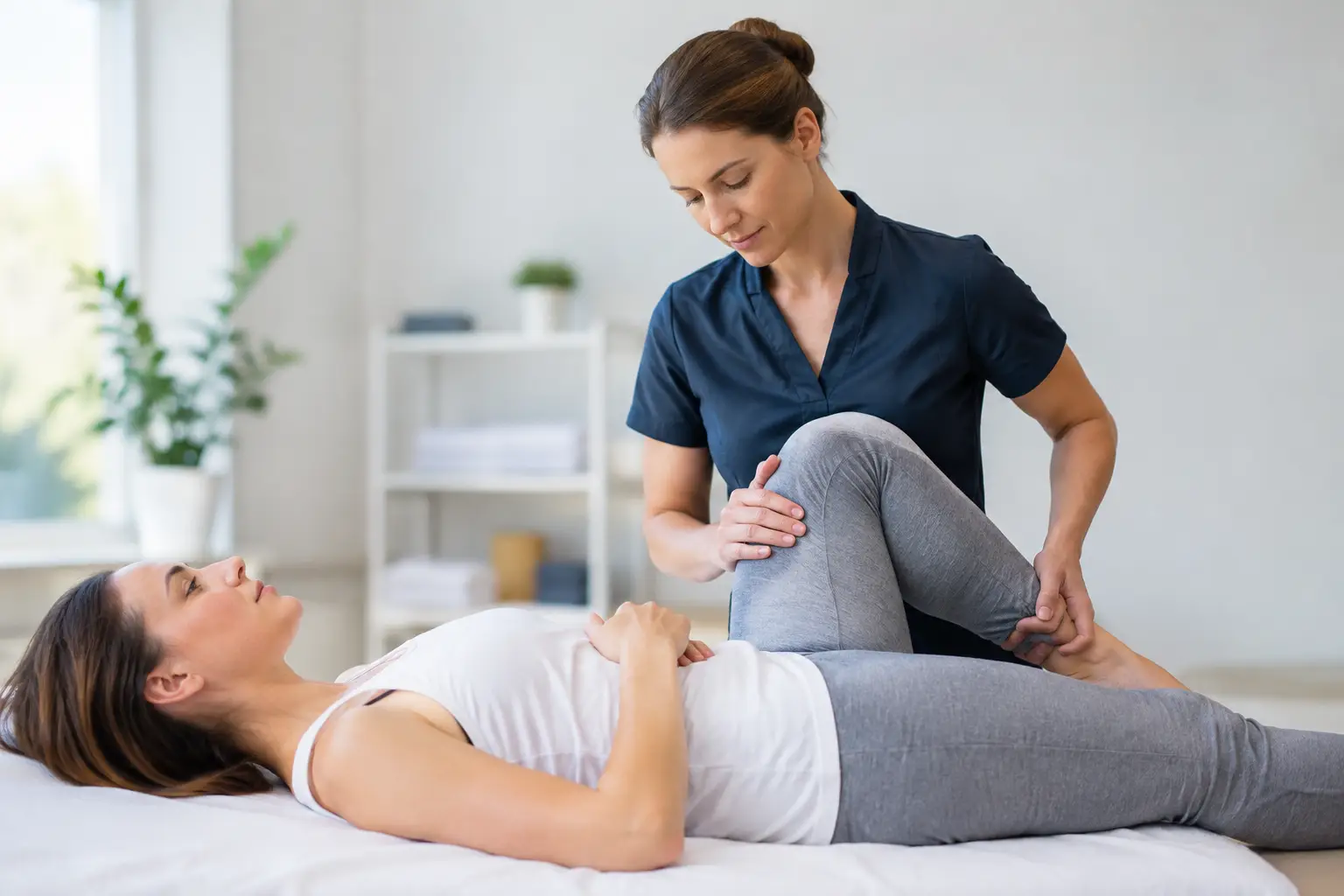
A great osteopathy assessment should feel like more than a quick check of the spot that hurts. This osteopathy assessment guide explains how an osteopath builds a picture of your body, movement habits and goals before recommending care. Whether you have woken with a stubborn stiff neck, are managing training-related soreness or simply want to move with greater ease, the assessment sets the direction for a personalised session.
For busy people, that clarity matters. Pain rarely exists in isolation, and effective care is not about applying the same technique to every back, shoulder or hip. It is about listening carefully, assessing thoughtfully and creating an approach that feels appropriate for you.
What an osteopathy assessment is designed to do
Osteopathy takes a whole-body view of how your muscles, joints and surrounding tissues are working together. An assessment helps your osteopath understand not only where symptoms are felt, but also the movements, demands and patterns that may be contributing to them.
The purpose is not to chase a perfect posture or label every ache. It is to establish whether osteopathic care may be suitable, what areas need attention and what practical changes may support your comfort between appointments. Your osteopath will also identify when another health professional or urgent medical care is the better next step.
For example, a desk-based professional with headaches and upper-back tension may be assessed through their neck, shoulders, upper spine and workstation habits. An active client with recurring calf tightness may need their ankle movement, training load, footwear and hip control considered as well. The area of discomfort is important, but it is only one part of the picture.
Your osteopathy assessment guide: what happens first
Your health history and goals
Your appointment usually begins with a conversation. Your osteopath may ask when symptoms started, what makes them better or worse, whether there was an injury, and how the issue affects work, sleep, exercise or daily tasks. They will also ask about relevant medical history, medications, previous scans or treatment, and any changes in general health.
This is not form-filling for its own sake. Details such as recent illness, surgery, numbness, unexplained weight change, dizziness or altered bladder and bowel function can affect whether treatment is appropriate. Be open, even if something seems unrelated. It helps your practitioner make careful, informed decisions.
You will also be asked what you would like to achieve. Relief from discomfort might be the immediate priority, but a useful goal is often more specific: sitting through a flight comfortably, returning to the gym with confidence, sleeping without being woken by tension, or recovering more comfortably after a demanding event.
Observation and movement testing
Next, your osteopath may observe how you stand, sit, walk or perform a simple movement related to your concern. You may be asked to bend, rotate, reach, squat, lift an arm or balance on one leg. These tests are generally gentle and should stay within your comfortable capacity.
The aim is to see how your body moves rather than to judge it. Your osteopath may note where movement feels restricted, where you compensate or where symptoms appear. Comparing left and right sides can be useful, although bodies are naturally not perfectly symmetrical.
Depending on your presentation, the assessment may include a closer look at joint range of motion, muscle strength, coordination or basic neurological signs such as sensation and reflexes. The exact process varies. A recent sporting injury needs a different assessment from persistent lower-back stiffness or jaw tension linked to stress.
Hands-on assessment
With your consent, the osteopath may use their hands to assess areas of tenderness, muscle tone, joint movement and tissue sensitivity. They should explain what they are checking and why, particularly if they need to assess an area close to where you feel discomfort.
You remain in control throughout. Tell your osteopath if a position is uncomfortable, if you would prefer an adjustment to draping or clothing, or if you do not want a particular technique. Professional care is collaborative, and informed consent is ongoing rather than a one-off question at the start of the session.
How an osteopath turns findings into a care plan
At the end of the assessment, your osteopath should explain their findings in clear language. You may hear that a certain movement is sensitive, a joint is less mobile than expected, or nearby muscles are working harder to protect an area. These findings are considered alongside your history and goals, not treated as a diagnosis in isolation.
A care plan may include hands-on techniques such as soft-tissue work, joint mobilisation or gentle stretching, depending on what is suitable for you. It may also include advice about pacing activity, simple movement exercises, recovery strategies or changes to an aggravating work or training habit.
The best plan is proportionate. Some clients benefit from a focused short course of care and a home plan; others may need only one session to address temporary tension or support recovery. Persistent, complex or recurring symptoms can call for a slower approach or coordinated care with your GP, physiotherapist or another practitioner. Promises of a guaranteed fix after one treatment are rarely helpful.
Preparing for your appointment
Wear comfortable clothing that allows easy movement. Depending on the area being assessed, your osteopath may ask you to expose part of the back, shoulder, knee or leg, but you can discuss your comfort and preferences at any time. If you have relevant reports, scan results or a list of medications, have them available.
It helps to think about the pattern of your symptoms beforehand. Consider when they began, where they travel, how intense they become, and what a typical day looks like when they are at their worst. You do not need clinical language. A clear description such as, “It starts after two hours at my laptop and eases when I walk,” is valuable information.
If your treatment is delivered at home, in a hotel or at your workplace, the same standards should apply. A qualified mobile practitioner can assess you in a private, practical space and tailor the session around the equipment available and your immediate needs. Rejuvenators’ mobile service is designed for this kind of considered, professional care without adding a trip across town to an already full day.
When an assessment should lead elsewhere
Osteopathy can be a valuable option for many musculoskeletal concerns, but it is not a substitute for emergency or specialist medical care. Seek urgent medical attention for chest pain, trouble breathing, sudden weakness, facial drooping, new confusion, severe headache, loss of bladder or bowel control, or pain following a significant accident.
Your osteopath may also recommend a GP review for symptoms that are unexplained, worsening, associated with fever or night sweats, or not responding as expected. A referral is not a failure of treatment. It is a sign that your wellbeing is being put first.
Making the most of what comes next
After an assessment and treatment, pay attention to how you feel over the next day or two. Mild temporary soreness can occur after hands-on work, particularly if tissues were sensitive beforehand, but severe or unusual symptoms should be discussed promptly with your practitioner or doctor.
Keep the next steps realistic. A five-minute movement break between meetings may be more sustainable than an elaborate routine you will never use. If you are training, recovery may mean adjusting intensity for a few days rather than stopping altogether. Your osteopath can help you choose an approach that supports your actual life, not an idealised version of it.
The value of an osteopathy assessment lies in being properly seen, heard and assessed before care begins. When the plan respects your symptoms, schedule and goals, it becomes easier to make room for the small, consistent choices that help you reset, recover and move forward with more confidence.