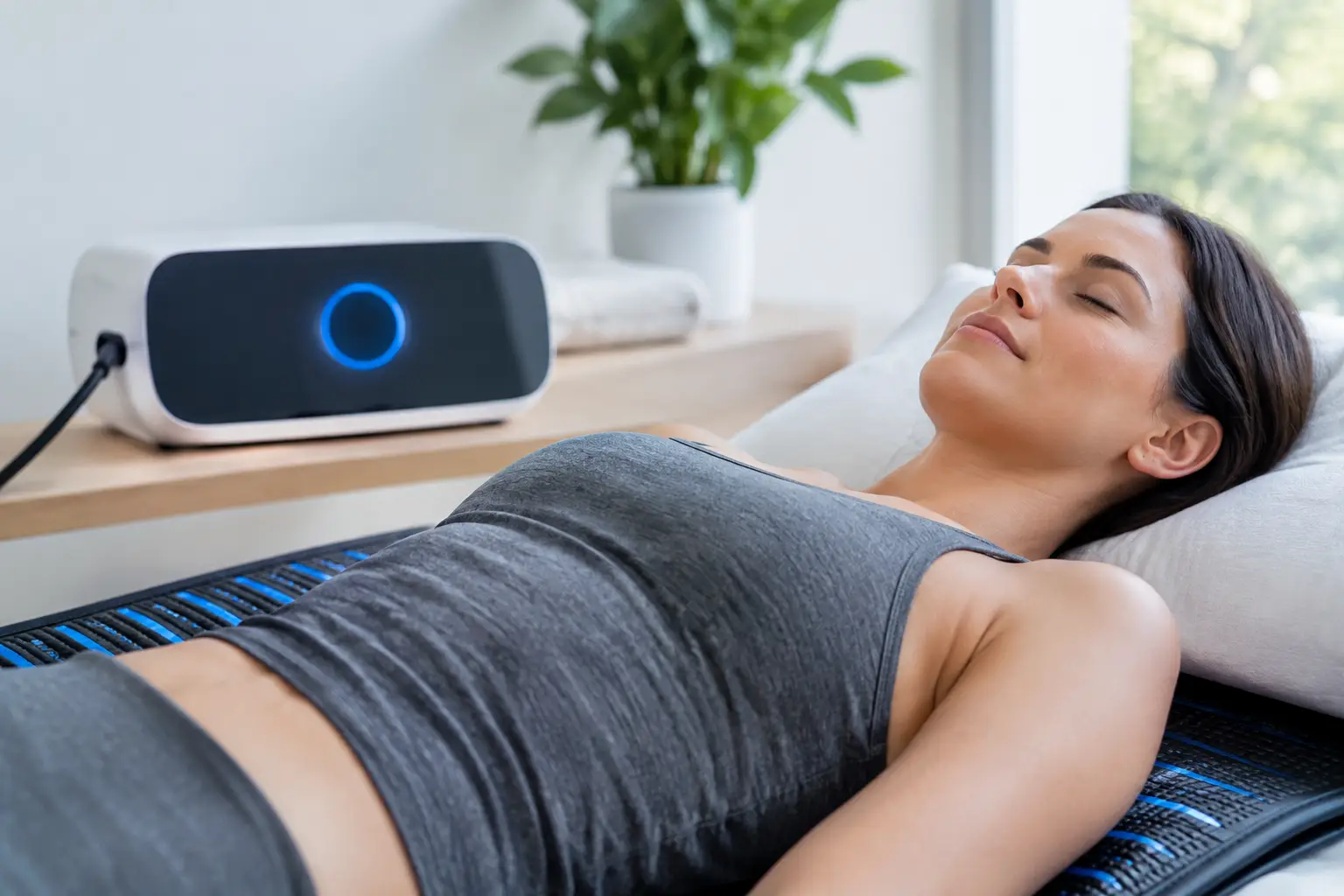
A hard training session, a long-haul flight or a demanding week at the desk can leave the body feeling heavier than it should. When stiffness lingers and your usual recovery routine is not quite cutting it, PEMF therapy recovery benefits may offer a gentle, practical addition to rest, movement and hands-on care.
PEMF stands for pulsed electromagnetic field therapy. It uses low-frequency electromagnetic pulses delivered through a mat, pad or targeted applicator. The experience is non-invasive, usually comfortable and designed to fit easily into a broader recovery plan. For people who value expert care without adding another trip across town, it can be particularly appealing as part of a tailored mobile wellness session.
How PEMF therapy may support recovery
Your body is always responding to physical and emotional load. Training creates temporary stress in muscles and connective tissue. Travel, poor sleep, prolonged sitting and high-pressure work can also affect how rested, mobile and comfortable you feel. Recovery is not simply about doing less. It is about giving the body the conditions it needs to regulate, repair and return to comfortable movement.
PEMF therapy works by applying pulsed electromagnetic fields to the body. These fields interact with charged particles and electrical activity at a cellular level. While the science continues to develop, PEMF is commonly used in wellness settings to support relaxation, circulation and recovery-focused routines.
The key is to keep expectations realistic. PEMF is not a replacement for medical diagnosis, rehabilitation, sleep, nutrition or appropriate training loads. It is best viewed as a complementary therapy that may help you feel more comfortable and supported while those foundations do their work.
A calm way to downshift after physical load
Many clients choose PEMF after exercise because recovery is not only muscular. The nervous system also needs a chance to settle. A PEMF session is typically quiet and restful, requiring little effort from you beyond getting comfortable.
That pause can be valuable after a demanding gym session, a run, a sporting event or a physically active shift. When paired with hydration, nourishing meals and sensible movement, the treatment may help create the conditions for a more settled recovery period.
Support for comfort and mobility
Muscle tightness can make everyday movement feel restricted, whether it is turning your head after a day on a laptop, climbing stairs after leg day or getting out of a hotel bed after a flight. Some people report feeling looser, calmer or more comfortable following PEMF therapy, particularly when it is combined with massage or mobility work.
Results vary. A single session may feel like a welcome reset, while a recurring issue may need a more considered plan involving a qualified health professional. The benefit of a personalised treatment is that the session can be adjusted around what your body is managing that day, rather than following a fixed routine.
Recovery without adding more strain
Not every recovery tool needs to be intense. Ice baths, high-pressure massage and vigorous stretching can suit some people at certain times, but they are not always appealing or appropriate when you are already fatigued, sore or overstimulated.
PEMF is often appreciated because it is passive and gentle. You can lie back while the practitioner positions the equipment around the areas being addressed. This makes it a useful option for busy professionals, travellers and active people who want dedicated recovery time without another physically demanding activity.
PEMF therapy recovery benefits for different routines
The value of PEMF therapy depends on what recovery means in your life. For an athlete, it may sit alongside strength programming, sports massage and planned rest days. For a corporate professional, it may be part of a strategy to reduce the physical toll of sitting, travel and a full calendar. For a hotel guest, it can create a restorative break between meetings or after a long journey.
After training, a treatment may be used to support a feeling of ease in worked muscles. Before a significant event, some people use a gentle session to promote relaxation without the deep pressure that can occasionally leave them feeling tender. During high-stress periods, the quiet time itself can help restore a sense of balance.
PEMF can also pair well with massage. Massage offers skilled manual work for muscles and soft tissue, while PEMF provides a different, non-invasive modality that can be incorporated according to your comfort and goals. Neither approach is automatically better. The right choice comes down to your symptoms, preferences, training schedule and health history.
At Rejuvenators, qualified practitioners can tailor recovery-focused care around the way you want to feel after the session: lighter, calmer, more mobile or ready to rest. For some clients, that means a massage-led appointment. For others, PEMF may be a useful component of a broader treatment.
What a PEMF session feels like
A professional PEMF session should begin with a conversation. Your practitioner will ask about your current comfort, activity levels, relevant health conditions and what you hope to get from the treatment. This helps them decide whether PEMF is suitable and how it may fit with other therapies.
Depending on the equipment and treatment area, you may lie on a PEMF mat or have an applicator placed near a specific area. Most people feel very little during treatment, though some notice mild warmth, gentle pulsing or a sense of relaxation. It should not be painful.
The session is usually easy to combine with massage, stretching guidance or a recovery-focused wind-down. You may feel refreshed immediately, or you may simply notice that your body feels more settled later in the day. As with any wellness treatment, your response is individual.
When PEMF may not be appropriate
Premium care includes knowing when to pause. PEMF is not suitable for everyone, and a reputable practitioner should screen for contraindications before treatment.
People with implanted electronic medical devices, such as pacemakers, should generally avoid PEMF unless they have specific medical clearance. It may also be unsuitable during pregnancy, for people with certain health conditions, or where there is an acute injury, unexplained pain or a condition requiring medical assessment. If you are under medical care, have recently had surgery or are unsure whether PEMF is right for you, speak with your GP or treating clinician first.
Do not use a recovery session to push through significant symptoms. Sudden swelling, severe pain, numbness, weakness, chest pain, shortness of breath or pain that does not improve deserves prompt medical attention, not a wellness workaround.
Getting more from your recovery appointment
PEMF is most useful when it supports habits that already matter. Arrive ready to rest, wear comfortable clothing and let your practitioner know if anything feels different from the usual post-exercise soreness. Be clear about your next training session or travel plans, as this can influence the style and intensity of complementary bodywork.
Afterwards, keep the rest of your day simple where possible. Gentle walking, adequate fluids, a balanced meal and a proper night of sleep can all support the recovery experience. If you are managing a recurring issue, pay attention to patterns: what triggers it, what eases it and whether your current workload is realistic.
The most meaningful recovery routines are rarely dramatic. They are the ones you can return to consistently, with the right support at the right time. If a gentle, tailored PEMF session helps you make more space for rest and comfortable movement, that can be a worthwhile part of looking after your body.