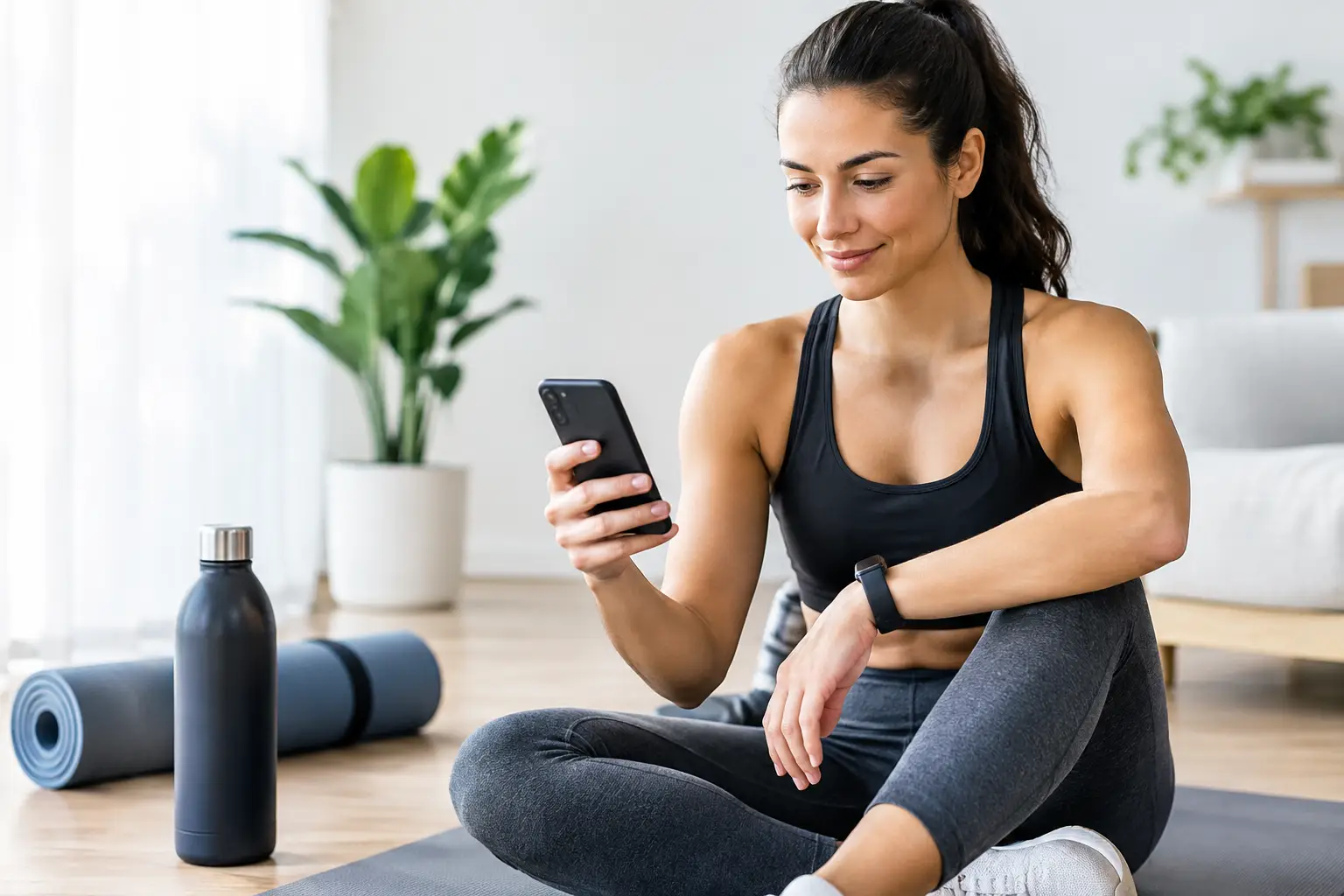
A tight neck after back-to-back video calls, heavy legs after a long-haul flight, or a sore lower back after a demanding training block rarely arrive at a convenient time. For many Australians, the barrier to feeling better is not recognising the need for care. It is finding the time and energy to travel to it. That is why mobile wellness trends are changing expectations around massage, recovery and everyday self-care.
The strongest shift is simple: people want expert-led care that fits the reality of their schedule. A treatment at home, in a hotel room, at the workplace or alongside an event can remove the commute, waiting room and post-treatment rush. Done well, mobile care does not mean a reduced experience. It means qualified practitioners, tailored treatment and professional equipment brought to the setting where comfort is already possible.
Mobile wellness trends are moving towards personalised care
Wellness is becoming less about a one-size-fits-all pamper session and more about choosing the right support for the day in front of you. Someone preparing for a race may need sports-focused work and recovery guidance. A desk-based professional may be seeking relief from persistent tension through remedial or deep tissue massage. A hotel guest might simply need to settle their nervous system after travel and a packed itinerary.
This demand for personalisation is one of the most meaningful mobile wellness trends. Clients increasingly expect a practitioner to ask considered questions, adjust pressure and techniques, and respond to how their body feels on the day. A relaxation massage can be restorative, while a more targeted treatment may suit muscular discomfort, restricted movement or exercise recovery. The value lies in matching the approach to the person, rather than applying the same routine to everyone.
That distinction matters because the best treatment is not always the firmest one. Deep pressure can feel effective for some people and be unhelpful for others, particularly when the body is highly sensitised, fatigued or stressed. An experienced practitioner can help choose an approach that supports comfort and recovery without overdoing it.
Convenience is now part of the wellness outcome
For busy professionals, convenience is often treated as a luxury. In practice, it can be the reason care happens consistently enough to make a difference. When an appointment takes place at home, clients can move straight into a warm shower, a quiet evening or an earlier night. When it is delivered at a hotel, travellers can recover before a meeting rather than trying to navigate an unfamiliar city after landing.
This is especially relevant for people whose work involves frequent travel, irregular hours or long days on their feet. It also helps parents, carers and anyone managing a full calendar. Less time spent in traffic or coordinating logistics leaves more room for the treatment itself and the rest that should follow it.
Mobile wellness is not only for private appointments. Employers and event organisers are also bringing wellbeing experiences to the people they support. Short seated massages or tailored bodywork sessions can offer a welcome reset during high-pressure work periods, conferences and long event days. For premium hotels, in-room wellness services can turn a stay into a more restorative experience, particularly for guests arriving tired, stiff or jet-lagged.
Recovery is becoming more deliberate
The language around recovery has broadened beyond elite sport. Recreational runners, gym-goers, cyclists and people returning to movement after time away are paying closer attention to how they recover between sessions. Massage can form part of that routine by helping clients feel more comfortable, aware of tight areas and ready to switch off after physical exertion.
Recovery-focused care works best when it is realistic. A single massage before a big event will not replace sensible training, sleep, hydration or appropriate medical advice. Equally, a treatment after exercise is not a licence to ignore sharp pain, swelling, numbness or an injury that is worsening. Those signs deserve assessment from an appropriate health professional.
For everyday muscular fatigue and tension, however, a tailored session can be a practical addition to a wider recovery plan. Some clients prefer sports or remedial massage; others respond better to gentler techniques, reflexology or calming therapies that encourage a slower pace. The ideal choice depends on goals, health history and how the body is presenting that day.
Technology is supporting, not replacing, human care
Another important development in mobile wellness is the use of complementary technology alongside hands-on treatment. Modalities such as PEMF and vibroacoustic therapy are drawing interest from clients who want a broader sensory recovery experience. These services may be used as part of a personalised session to support relaxation and a sense of physical reset.
Technology is most useful when it is selected thoughtfully, not because it is fashionable. It should complement skilled assessment, clear communication and hands-on care where appropriate. No device can replace the judgement of a qualified practitioner who can notice tension patterns, adapt a technique or understand when a client needs a gentler approach.
Clients should also be open about medical conditions, injuries, pregnancy, implanted devices and other relevant health information before booking. Some treatments are not suitable for everyone, and professional providers will take screening seriously. Premium service is not just about arriving with quality equipment. It is about creating a treatment plan that respects individual needs and safety.
The new standard is calm, professional and prepared
As mobile services become more popular, expectations are rising. Clients want the ease of booking online or through an app, transparent starting prices, clear arrival communication and a practitioner who arrives prepared. They also want the familiar markers of a quality treatment: clean equipment, professional presentation, respectful boundaries and time to discuss what they need.
The environment still matters, even when the appointment is held in a living room, hotel suite or office. A little preparation helps create a better session. Allow enough space for a treatment table, reduce interruptions where possible and consider what you would like to do afterwards. If the goal is relaxation, avoid scheduling a demanding call immediately after your massage. If the goal is pre-event performance, tell the practitioner so the treatment can be paced accordingly.
Trust is central to this category. Providers with an established history, a large practitioner network and experience in professional settings are better placed to deliver consistency at scale. Rejuvenators has spent 30 years bringing tailored bodywork to clients and is trusted by more than 800 premium hotel partners across Australia, reflecting the level of reliability that mobile wellness now demands.
Wellness is becoming part of how people organise their week
The lasting trend is not that Australians are suddenly seeking more indulgence. It is that wellbeing is being planned with the same intention as work commitments, training sessions and travel. Regular care can be a way to protect a small pocket of time for recovery before tension becomes overwhelming or fatigue starts shaping every decision.
For some people, that may mean a monthly in-home relaxation massage. For others, it may be remedial support during a physically demanding period, a couples session for an unhurried night in, or a workplace booking that gives a team a genuine pause. The right frequency depends on your goals, budget and response to treatment.
The most useful mobile wellness trend may be the least complicated one: care that meets you where you are, delivered with enough expertise and attention to help you feel more at ease in your body. When recovery becomes easier to access, it is also easier to make room for it.