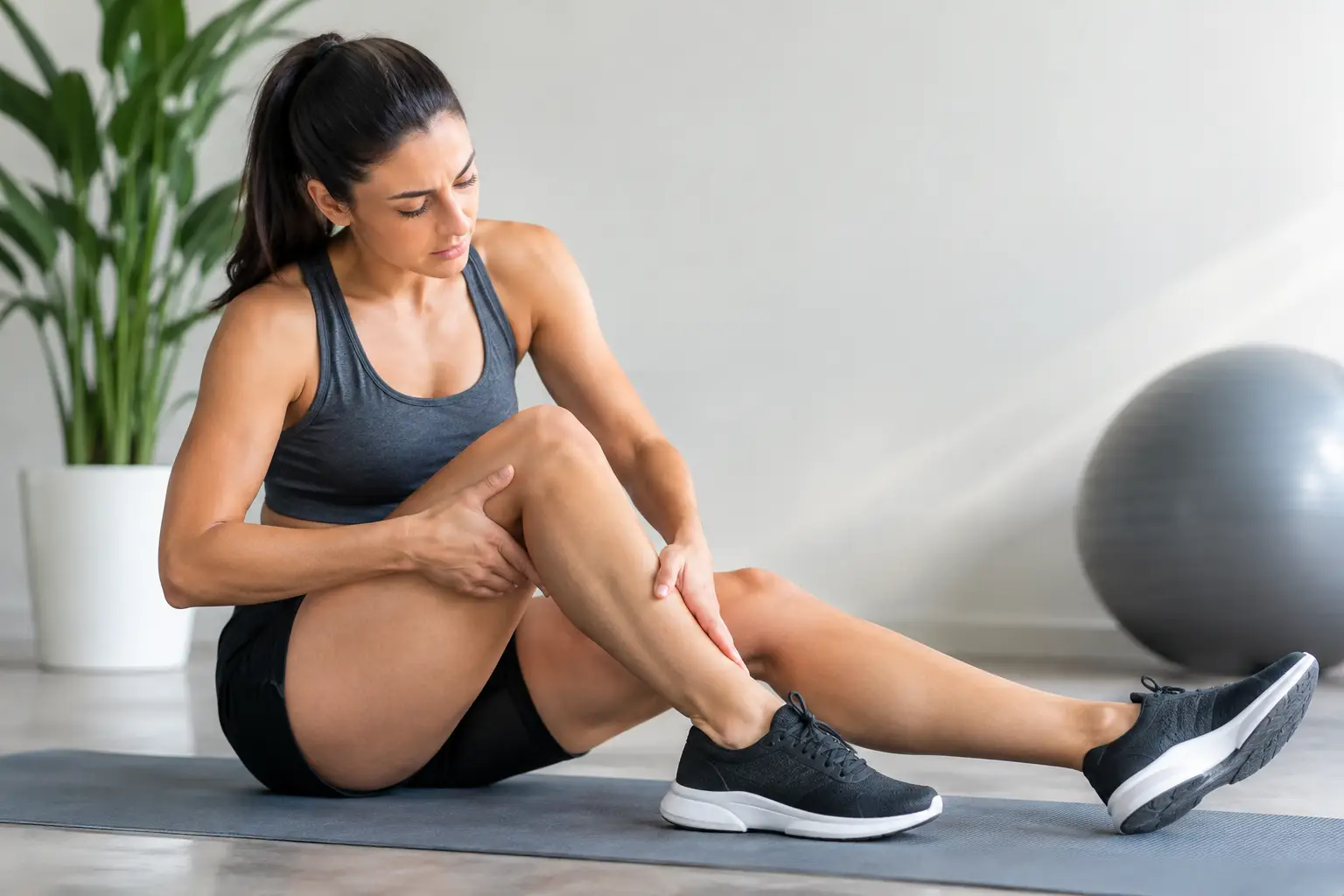
That tight, tender feeling the day after a hard session can be satisfying proof that you challenged yourself, but it should not derail the rest of your week. Knowing how to reduce muscle soreness is less about finding one miracle fix and more about giving your body the right conditions to recover: sensible movement, enough fuel, quality sleep and targeted hands-on care when you need it.
Most post-workout soreness is delayed onset muscle soreness, often called DOMS. It commonly peaks 24 to 72 hours after unfamiliar, intense or eccentric exercise, such as downhill running, lowering into a squat, or returning to strength training after time away. It is a normal response to muscular stress, but severe or persistent pain deserves a more cautious approach.
Start recovery before your workout ends
A thoughtful cool-down will not erase soreness entirely, but it can help your body shift out of high effort and into recovery. Rather than stopping abruptly after a run, gym session or match, spend five to 10 minutes walking, cycling gently or moving through an easy version of the activity you have just completed.
This is also a good time for light, comfortable mobility. Move the joints you used through an easy range: ankle circles after a run, gentle hip movements after lower-body training, or shoulder and upper-back mobility after weights. Avoid forcing deep stretches into tired muscles. Stretching can feel pleasant and maintain flexibility, but it is not a guaranteed cure for DOMS, particularly if you push hard enough to create more irritation.
The most useful long-term strategy is to build training load gradually. Soreness often arrives when volume, intensity or novelty jumps too quickly. If you are starting a new program, increasing your running distance, or returning after a break, leave room for adaptation rather than making every session a test.
Keep moving, gently
When your legs feel heavy after a big training session, the instinct may be to stay completely still. For mild to moderate soreness, gentle activity is usually more comfortable than total rest. Easy walking, a relaxed swim, light cycling or a mobility session can increase circulation, reduce stiffness and help you feel more like yourself.
The key is to keep the effort genuinely easy. Recovery movement should leave you feeling looser, not more depleted. A useful guide is whether you can comfortably hold a conversation throughout. If an easy jog changes your gait, sharpens the pain or makes you compensate through another area, choose walking instead or take a proper rest day.
You do not need to train the same sore muscles hard again to make progress. Active people often benefit from alternating training demands: an upper-body session after a challenging leg day, for example, or a low-intensity recovery day between high-load sessions. Your program, fitness level and upcoming event schedule all matter, so recovery should be tailored rather than treated as an afterthought.
How to reduce muscle soreness with food and hydration
Recovery begins with what you consistently eat and drink, not only what happens immediately after exercise. Your muscles need adequate protein across the day to repair and adapt, while carbohydrates help restore energy stores after longer or more demanding activity. A balanced meal or snack after training might include yoghurt and fruit, eggs on grain toast, a chicken and rice bowl, or a smoothie with milk or yoghurt and fruit.
There is no need to chase a perfect post-workout window if that creates stress. Aim to eat a nourishing meal within a few hours, and prioritise consistency over complicated rules. If you have trained hard, skipped lunch and then face a long commute or a busy evening, planning something simple can make a noticeable difference to your energy and recovery.
Hydration matters too, especially in Australian heat or after a sweaty session. Drink regularly across the day and use thirst, urine colour and how you feel as practical cues. Water is sufficient for most workouts. For prolonged, high-sweat training, fluids containing electrolytes may be helpful, particularly when replacing sodium lost through perspiration. More is not always better, however: excessive fluid intake can be unhelpful and, in rare circumstances, unsafe.
Alcohol can also interfere with the quality of recovery by affecting hydration, sleep and muscle repair. That does not mean one social occasion ruins your progress, but if your body is already sore and fatigued, choosing water and an earlier night is often the more restorative option.
Make sleep part of your training plan
A great recovery routine can be undone by several short nights. During sleep, the body carries out much of the repair and regulation that supports training adaptation. If you are repeatedly waking stiff, flat and unusually sore, look at your sleep before adding another supplement or gadget.
For busy professionals, the practical answer may be protecting the last hour before bed. Dim the lights, finish work messages where possible, have a warm shower, and avoid a late high-intensity session when you know it will leave you wired. A regular bedtime and a cool, dark room can be more powerful than an elaborate recovery ritual.
If you are travelling for work, expectations matter. Hotel-gym training, unfamiliar beds, long flights and packed schedules can all increase soreness. On those weeks, reduce the pressure to perform at your usual level. A shorter session plus deliberate recovery can preserve momentum without leaving you depleted for meetings or the trip home.
Use massage for comfort, mobility and recovery
Massage is not a shortcut around sensible training, nutrition and sleep. It can, however, be a valuable part of a recovery plan when muscles feel tight, heavy or restricted. The right treatment may help reduce the perceived intensity of soreness, support relaxation and make comfortable movement easier after training or a long day at a desk.
The style and pressure should match what your body needs. Deep tissue work can be appropriate for some people, but more pressure is not automatically better when muscles are already highly tender. A skilled practitioner will tailor the session to your training, pain levels, mobility and preference, combining recovery-focused work with techniques that help you settle rather than leaving you bruised or overwhelmed.
Sports massage can suit regular exercisers preparing for or recovering from demanding activity, while remedial massage may be useful when a specific area is persistently tight or affecting movement. For a premium, convenient option, Rejuvenators can bring a qualified practitioner to your home, hotel or workplace, allowing you to recover without adding another trip across town to your day.
Book recovery massage with realistic expectations. You may feel looser and calmer immediately, but training-related soreness can still take time to settle. If you have an important race or event, avoid experimenting with very intense bodywork for the first time immediately beforehand.
Know when soreness is not just soreness
DOMS is generally dull, widespread in the muscles you worked, and improves over several days. It is different from sudden, sharp or localised pain, swelling around a joint, bruising, numbness, weakness, or pain that changes how you walk or use a limb. These signs can point to an injury rather than routine post-exercise soreness.
Pause the activity that aggravates the pain and seek advice from a qualified health professional if symptoms are severe, worsening, recurring or not improving. Urgent medical care is appropriate for severe swelling, dark urine after intense exercise, chest pain, breathing difficulty, or any other concerning symptoms. Listening early is not a setback. It is how you protect your ability to keep moving well.
A recovery routine you can actually maintain
The best recovery plan is the one that fits a real week. After a demanding session, take a few minutes to cool down, eat and rehydrate well, then choose gentle movement the next day if it feels good. Protect your sleep, adjust your next workout according to how your body responds, and use tailored massage when you want professional support for tension, comfort and mobility.
Muscle soreness is feedback, not a badge you have to earn every time you exercise. Give your body enough care to adapt, and your training can feel more sustainable, capable and rewarding.