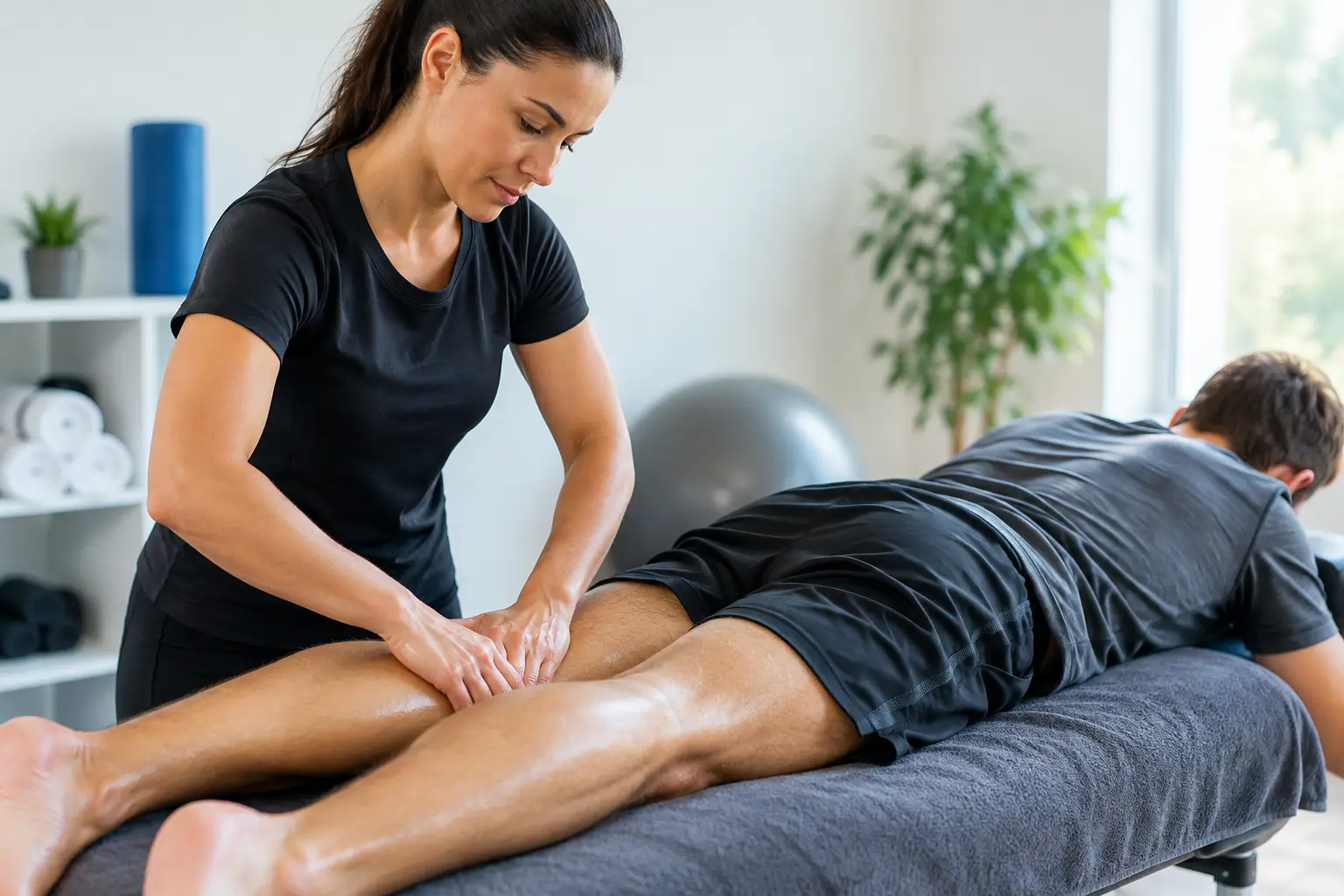
A hard training week can leave you feeling tight through the hips, heavy in the legs and less comfortable in movements that usually feel easy. Knowing when to get sports massage can make the treatment more useful, whether you are preparing for an event, building consistency in the gym or simply trying to recover well from an active lifestyle.
Sports massage is not reserved for elite athletes. It is a tailored, recovery-focused treatment that can suit runners, cyclists, gym-goers, team sport players and busy professionals whose bodies carry the load of training, travel, desk work and daily life. The right timing depends on your goals, how your body feels and what is coming next in your schedule.
When to get sports massage: timing matters
There is no single perfect day for every person. A sports massage before a big event serves a different purpose from one booked after a long run or during a regular training block. Treatment pressure, techniques and areas of focus should change accordingly.
A skilled practitioner will take into account your activity, recent workload, soreness, mobility and any injuries or health concerns. Rather than applying the same deep treatment every time, they can tailor the session to help you feel prepared, supported and more at ease in your body.
Before training or an event
If you have a race, competition or demanding training session ahead, book a lighter sports massage around one to three days beforehand. This is usually enough time to freshen up without leaving you tender immediately before you need to perform.
Pre-event treatment is generally more stimulating than a recovery session. It may include brisker techniques, movement and focused work around areas that commonly feel restricted, such as calves, glutes, hamstrings, shoulders or the upper back. The aim is to help you feel mobile and switched on, not deeply worked over.
Avoid scheduling your first intense sports massage the day before an important event. Even if you normally enjoy firm pressure, unfamiliar treatment can leave some people feeling tender or temporarily fatigued. Keep the session lighter and communicate clearly about what you need from it.
After hard training
After a demanding workout, long ride, match or endurance event, a sports massage can be a welcome part of your recovery routine. Many people prefer to book within 24 to 72 hours, once the immediate exertion has passed and they can comfortably tolerate hands-on treatment.
The best timing depends on how depleted you feel. A gentle session on the same day may be comfortable for some people, particularly after travel or an event, while others are better served by rest, hydration, food and sleep first. If your muscles are highly sore to touch, a lighter approach is often more comfortable than pushing through deep pressure.
Post-training massage can focus on easing the sense of tightness that follows repetitive movement, encouraging relaxation and giving you a chance to slow down. It should complement the basics of recovery, not replace them. Good nutrition, adequate fluids, sleep and sensible programming still do much of the heavy lifting.
During a regular training block
For most active people, the most valuable time to get sports massage is not only when something feels wrong. Booking it regularly during a training block can help you pay attention to changes in muscle tension, movement comfort and recovery before minor niggles begin affecting your routine.
How often you book depends on training volume, your sport, budget and personal preference. Someone training for a marathon may choose a session every one to two weeks during peak mileage, while a person attending the gym a few times a week may benefit from monthly treatment or occasional sessions around demanding periods.
Consistency matters more than chasing very deep treatment. A well-timed, tailored massage that fits naturally into your programme is more likely to support sustainable training than a sporadic session that leaves you too sore to enjoy your next workout.
When to get a sports massage after an event
After an event, it is tempting to book the strongest massage available and ask for every knot to be removed. Usually, your body will respond better to a measured approach. In the first day or two, gentle work can feel more restorative, especially if you are tired, dehydrated or have completed a long-distance effort.
A more focused session a few days later may be appropriate when general soreness has settled and you can better identify the areas still feeling restricted. This is also a useful time to consider the whole picture: perhaps your calves are tight from running, but your hip mobility, footwear, training load or recovery habits need attention too.
If you have another event close by, let your practitioner know. They can adapt the pressure and techniques so treatment supports your turnaround rather than adding unnecessary tenderness to an already busy body.
Signs it may be time to book
Sports massage can be useful when familiar tightness is beginning to affect how you move, when you are recovering more slowly than usual, or when your body feels generally loaded from a stretch of hard training. It can also be a practical choice before or after a work trip, particularly when long flights, hotel beds and hours of sitting have left you stiff.
You do not need to wait until discomfort becomes severe. A session can provide a quiet checkpoint in your routine, helping you notice whether one side is working harder, a movement feels less free, or recovery is being squeezed by a full calendar. For busy professionals, having a qualified practitioner come to your home or hotel can make that care easier to prioritise.
That said, massage is not a test of toughness. If the pressure feels sharp, makes you brace or leaves you unable to relax, speak up. Effective treatment should be responsive to your comfort and current condition.
When to wait or seek further advice
There are times when sports massage should be postponed. Do not book treatment over a suspected fracture, an acute muscle tear, an open wound, a skin infection or an area that is hot, significantly swollen or badly bruised. Fever, unexplained pain, numbness, weakness and severe calf swelling also deserve prompt medical assessment rather than massage.
If you have recently had surgery, have a diagnosed medical condition, are pregnant, take blood-thinning medication or are managing a significant injury, seek advice from your treating health professional first. A qualified massage practitioner should also ask relevant health questions and adapt treatment where appropriate.
For persistent pain, pain that worsens with activity, or symptoms that keep returning despite rest and sensible load management, consider an assessment from a GP, physiotherapist or other appropriate health professional. Sports massage can sit well alongside a broader care plan, but it should not delay a proper diagnosis.
Make your session work harder for you
Arrive with a simple goal. You might want to feel looser for a long run, recover more comfortably after leg day or address the shoulder tension that has built up through training and laptop work. The clearer you are about your recent activity and what is next on your calendar, the more precisely your practitioner can tailor the session.
Have some water, allow time afterwards to move gently, and avoid treating a deep massage as permission to ignore pain during your next session. Notice how your body responds over the following day or two. That feedback helps you find the timing, pressure and frequency that suit you.
Whether you are training towards a personal best or simply want to move through the week with greater comfort, sports massage is most valuable when it becomes considered care rather than a last-minute fix. Choose a time that respects your body’s workload, then give yourself space to reset, recover and keep moving well.