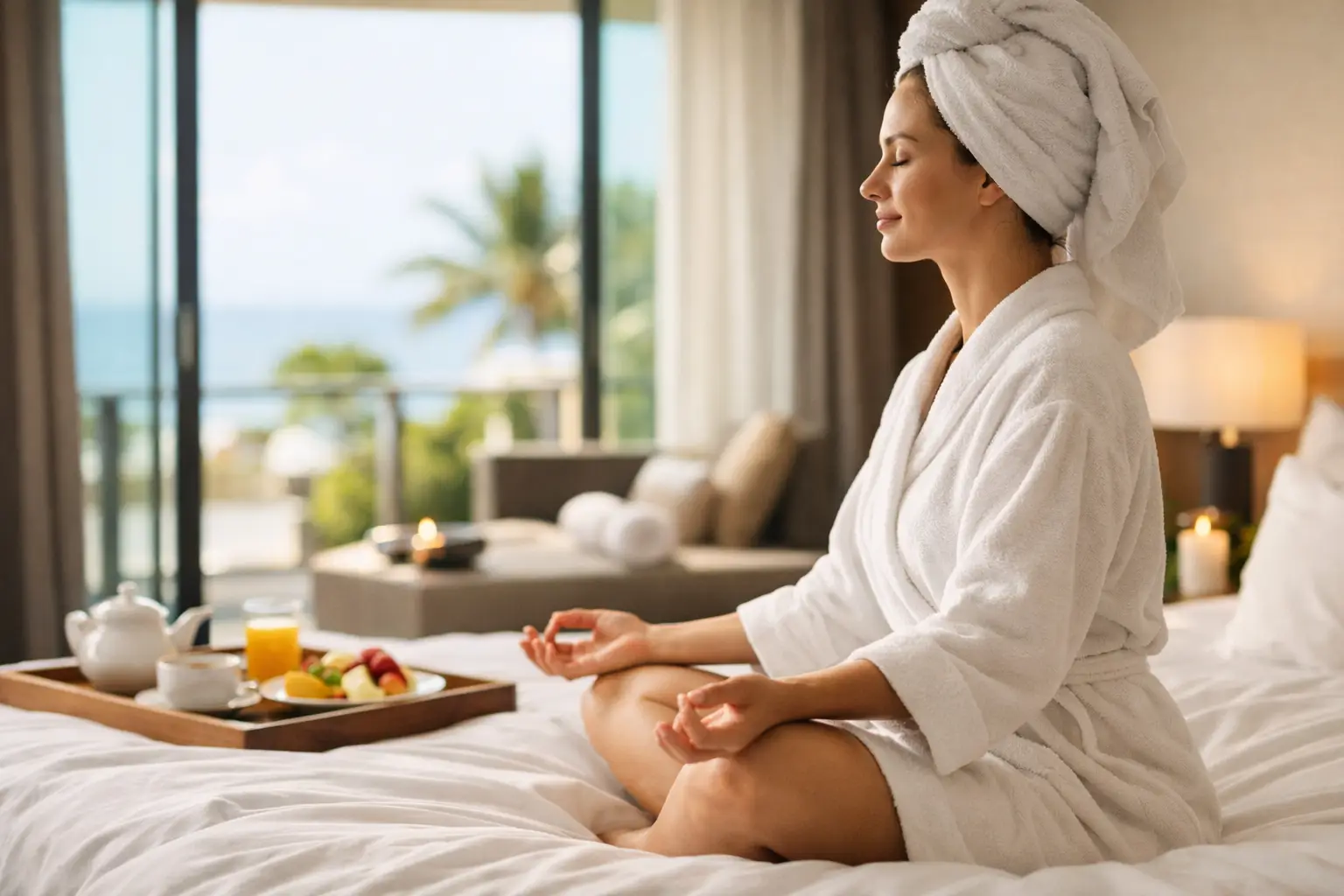
A hotel stay can look perfect on paper and still leave a guest depleted. A late flight, a full day of meetings, unfamiliar bedding, sore legs and a crowded lobby can quickly erode the sense of escape they booked. This guide to hotel guest wellbeing focuses on the details that help guests feel genuinely cared for: not just entertained or accommodated, but rested, comfortable and ready for what comes next.
For hotel teams, wellbeing is also practical. Guests who sleep better, recover faster and feel less rushed are more likely to view the whole stay positively. The best approach does not require turning every property into a day spa. It requires thoughtful choices, reliable delivery and services that meet guests where they are.
Start with the guest journey, not the amenities list
Wellbeing is often reduced to a gym, pool or spa menu. Those facilities can add real value, but they only help when they suit the guest’s time, energy and reason for travelling. A business traveller arriving after 9 pm may not use the fitness centre. A couple on a weekend break may prefer private time over a scheduled class. A conference attendee may need relief from neck and shoulder tension between sessions, not another activity to fit into their day.
Map the stay through the guest’s eyes. Consider the arrival, the first hour in the room, the quality of sleep, morning departure and the moments when travel fatigue is most likely to appear. This reveals where small improvements can have an outsized effect.
At check-in, a calm, unhurried welcome matters. Staff do not need to give a long explanation of every facility, but they should be able to clearly point guests towards the options most relevant to them. A simple question such as, “Would you like a quiet room, recovery options or dining recommendations?” feels more personal than a generic sales pitch.
Make the room a place to reset
The guest room is the most private wellbeing space in the hotel. Temperature control, effective block-out curtains, clean air, supportive pillows and easy-to-use lighting influence rest more than decorative extras. These basics deserve attention before a hotel invests in elaborate wellness features.
Choice also matters. Some guests want complete quiet, while others find soft ambient sound calming. Some travellers need a firmer pillow or space to stretch after a flight. Clear information about pillow options, room service, bath facilities and quiet hours allows guests to shape the room around their own needs without having to make several calls to reception.
A few useful, considered touches can help: a visible hydration option, a short room-based stretch guide, herbal tea, or a note explaining how to arrange an in-room treatment. The aim is not to clutter the room with products. It is to remove friction when a guest decides they need rest.
Guide to hotel guest wellbeing: offer care when it is most useful
Timing is central to a strong wellbeing offer. Guests rarely plan discomfort in advance. They notice it after a delayed flight, a long conference day, a workout, a day of sightseeing or hours at a desk in their room. Services need to be straightforward to book and available in the windows when guests are most likely to use them.
In-room massage is especially valuable because it removes the need for a guest to change, travel across the property or wait in a public area when they are already tired. A qualified practitioner can tailor a treatment around relaxation, muscular tension, recovery or mobility needs, using the space the guest already feels comfortable in.
For premium hotels, an established mobile wellness partner can extend the guest experience without the operating complexity of a full in-house treatment team. Rejuvenators has supported hotel guests across Australia for decades, bringing qualified practitioners and equipment directly to rooms for tailored massage and complementary therapies. The key is not simply having a provider available. It is ensuring booking, arrival, presentation and practitioner standards reflect the hotel’s own service expectations.
There is a trade-off to manage. A broad menu can make a property feel comprehensive, but too many unfamiliar treatments may leave guests unsure where to start. Lead with clear outcomes rather than technical language. For example, position relaxation massage for stress relief, remedial or deep tissue treatment for persistent muscular tension, and recovery-focused sessions for guests who have been active or travelling extensively.
Build wellbeing into business and event stays
Corporate guests often need wellbeing support most, yet are least likely to seek it out if it feels indulgent or inconvenient. Hotels hosting conferences, off-sites and executive groups can make care more accessible by framing it as preparation and recovery.
Short chair massage sessions near a breakout space can provide a welcome reset during a long programme. Private in-room appointments suit executives who need discretion and flexibility. For multi-day events, a recovery session after travel or at the end of the first full day may be more useful than placing all wellness activity on the final morning, when people are already checking out.
Event organisers will also value operational clarity. Confirm appointment windows, treatment areas, guest communication, cancellation terms and practitioner access before the event begins. Polished delivery depends on these practical details. When staff know exactly how the experience will work, they can confidently recommend it to attendees.
Train teams to recognise needs without making assumptions
Guest wellbeing should feel attentive, never intrusive. Front-of-house, concierge and housekeeping teams do not need to diagnose pain or prescribe therapies. Their role is to notice cues, offer relevant options and make requests easy to action.
A guest rubbing their neck while asking about a late dinner may appreciate knowing an in-room massage can be arranged. Someone returning from a run may be interested in recovery support. A family with a disrupted travel day may simply benefit from a quiet, efficient check-in and flexible dining choices. Context is useful, but choice must remain with the guest.
Good language is calm and specific. Avoid promising medical outcomes. Instead, explain what a service is designed to support, such as relaxation, muscular comfort, recovery or a better night’s rest. Where a guest has an injury, health condition or pregnancy, qualified practitioners should complete appropriate consultation and adapt the treatment where suitable.
Protect privacy, consistency and accessibility
Wellbeing is deeply personal. Guests need to know that an in-room service will be professional, discreet and easy to arrange. This includes clear practitioner identification, respectful communication, clean equipment and a simple process for preparing the room. It also means respecting a guest’s decision to decline or change an appointment.
Consistency is what turns a wellness addition into a trust-building hotel feature. If concierge recommends a treatment, the booking journey should be smooth. If a guest requests a quiet room, the preference should not be lost at housekeeping. If a property promotes recovery facilities, they should be clean, available and clearly signposted.
Accessibility deserves the same care. Consider mobility needs when planning treatment spaces and pathways through the hotel. Offer alternatives where possible, such as room-based services rather than expecting every guest to visit a distant facility. Wellbeing should not be reserved for the guests who find travel easiest.
Measure what guests actually value
Rather than measuring success only by treatment bookings or gym entries, look for signals across the guest experience. Review comments about sleep, staff attentiveness, comfort, relaxation and ease. Ask short, targeted questions after a treatment or event programme. Did the service fit the guest’s schedule? Was it easy to book? Did they feel looked after?
Feedback should guide investment. A CBD business hotel may find late-evening in-room recovery treatments are its strongest offer. A resort may see more interest in couples experiences and longer relaxation sessions. A conference property may benefit most from simple, visible wellbeing moments built into its event packages. There is no single formula, because the guest mix shapes the right service model.
The most memorable hotels understand that wellbeing is rarely one grand gesture. It is the quiet room when a guest needs sleep, the thoughtful recommendation after a difficult journey, and the opportunity to reset without having to organise another thing. Give guests that kind of care, and they will feel it long after checkout.