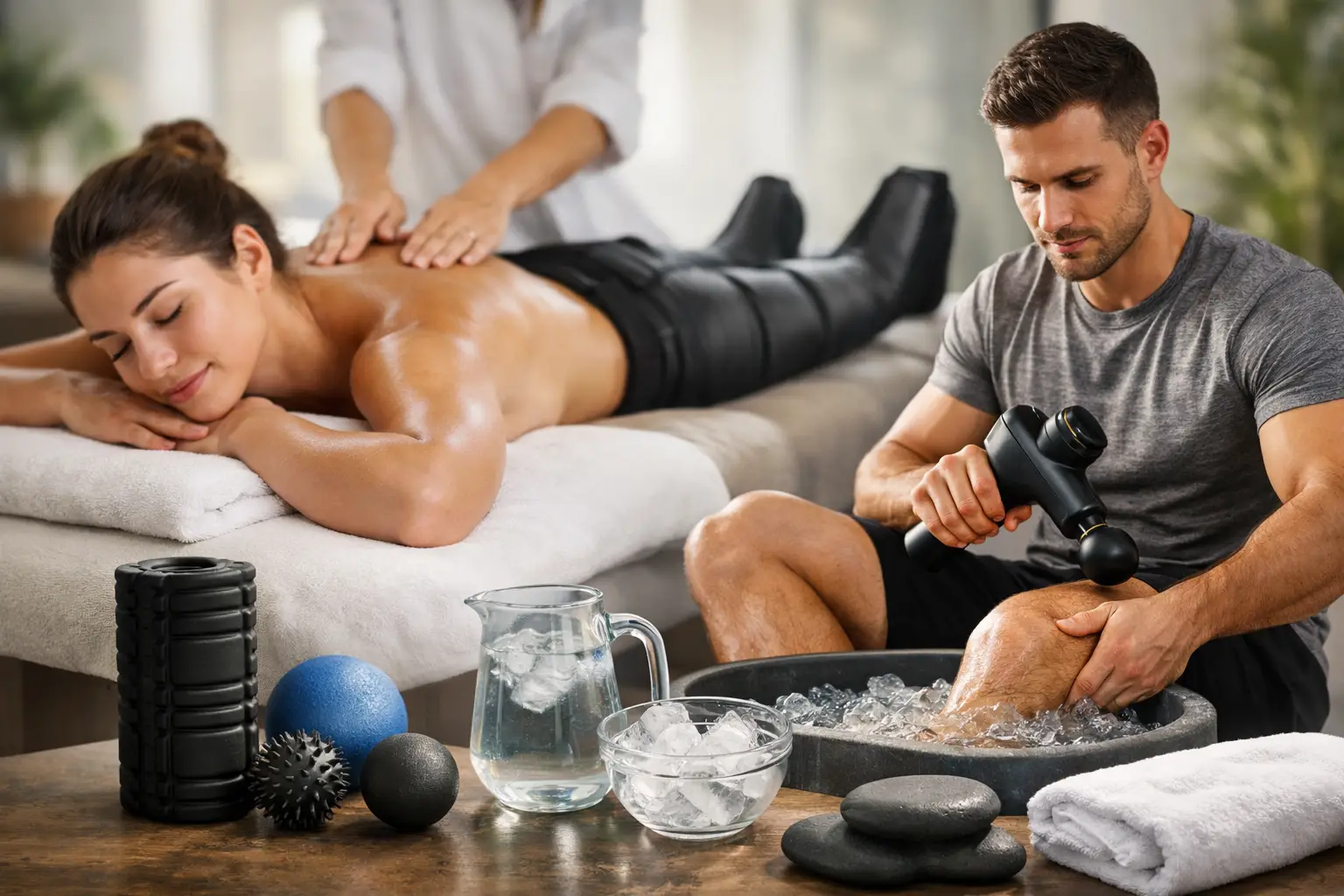
A hard training session can leave you feeling satisfyingly spent, or it can leave you stiff on the stairs, tight through the shoulders and wondering whether tomorrow’s workout is realistic. The best recovery therapies after exercise are not about pushing harder through pain. They help your body settle, restore comfortable movement and prepare you for what comes next.
For most active people, recovery works best as a combination of smart training, sleep, food, hydration and the right hands-on support. A recovery session should feel tailored to how your body is responding, whether you have finished a long run, a heavy gym block, a social match or a demanding day on your feet.
Start with the recovery basics
Before considering a specialised treatment, cover the foundations. They are less glamorous than a massage table, but they shape how well you recover.
Sleep is where much of the work happens. Consistent, adequate sleep supports muscle repair, energy regulation and the nervous system. A late-night workout does not automatically ruin sleep, but give yourself time to eat, hydrate and wind down rather than moving straight from high intensity into bed.
Nutrition matters too. After a demanding session, a meal or snack containing protein and carbohydrates can support muscle repair and replenish energy stores. The ideal amount and timing depend on your body size, training volume and goals, but regular meals generally matter more than chasing a perfect post-workout window.
Hydration is equally practical. Replace fluids steadily, particularly after training in Australian heat or humidity. If you have had a long, sweaty session, electrolytes may be useful, but they are not essential after every ordinary workout.
Finally, keep moving gently. A relaxed walk, easy mobility work or light cycle can reduce the feeling of stiffness without adding meaningful training load. If movement makes pain sharper or symptoms worsen, that is a reason to stop and seek professional advice.
Best recovery therapies after exercise
The right therapy depends on your training, your symptoms and your preference. Some therapies are most helpful for immediate comfort and relaxation. Others are better suited to persistent tightness, reduced mobility or a recovery plan around regular training.
Sports massage for active, tired muscles
Sports massage is designed with physical activity in mind. It can include broad warming strokes, targeted work around overworked muscle groups and mobility-focused techniques to help you feel less restricted.
It is a strong choice after a hard training block, event or weekend of activity, especially when your legs feel heavy or your upper body is carrying accumulated tension. A good therapist will adjust pressure and focus areas based on what you have done, not simply deliver the same full-body routine every time.
More pressure is not always better. Immediately after a demanding event, a gentler recovery-focused session may be more comfortable than intense deep work. You should leave feeling calmer and freer to move, not battered or bruised.
Remedial massage for recurring tightness and discomfort
When a familiar issue keeps returning – such as a tight hip, a sore lower back after lifting, or neck tension from desk work layered over training – remedial massage may be a better fit. The session can focus on specific areas affecting your movement and comfort, while still considering the bigger picture.
A qualified practitioner may assess how you are moving, discuss your activity and adapt techniques to your tolerance. This is particularly useful when recovery is being held back by one stubborn area rather than general post-exercise fatigue.
Remedial massage is not a substitute for diagnosis of an injury. Sudden swelling, severe pain, numbness, weakness, an inability to bear weight or pain that continues to escalate needs medical assessment rather than a massage booking.
Deep tissue massage for established muscular tension
Deep tissue massage can be effective when muscles feel chronically dense or restricted, particularly after repeated training, long travel or extended hours at a desk. The treatment uses slower, more focused pressure to work through deeper layers of soft tissue.
The trade-off is that it can feel intense, and it is not always the right choice close to a major race, game or demanding session. Schedule it when you have room to recover afterwards, and tell your therapist if you are sore from a fresh workout. Deep tissue work should be purposeful and responsive, never a test of endurance.
Relaxation massage for nervous system recovery
Physical recovery is not only about muscles. If your mind is still racing after a packed workday, travel, training and family commitments, your body may struggle to downshift. Relaxation massage offers a quieter route back to balance, using flowing techniques that encourage you to rest.
For busy professionals and frequent travellers, this can be a highly practical recovery therapy. Better relaxation may help you feel more prepared for sleep and more comfortable in your body, even when you do not have a specific muscle complaint to treat.
Mobility-focused bodywork and osteopathic care
If your main concern is reduced range of motion, recurring joint stiffness or a pattern that keeps disrupting training, an assessment-led approach can be valuable. Osteopathic care and targeted bodywork may help address how joints, muscles and movement habits are interacting.
This approach is often best when the goal is not simply to feel good after one session, but to understand why a problem keeps appearing. Your practitioner can help determine whether hands-on care is appropriate and whether modified training, exercises or referral to another health professional would better support your progress.
Complementary recovery therapies
Some people enjoy complementary options such as PEMF or vibroacoustic therapy as part of a broader rest and recovery routine. These treatments are often chosen for their calming experience and may suit people seeking time to reset after sustained physical or mental demand.
They should be viewed as complementary rather than a replacement for the essentials: sensible training loads, sleep, nutrition, hydration and appropriate clinical care when needed. The best choice is the one that fits your needs, health history and recovery goals.
When should you book a recovery treatment?
Timing makes a difference. After a normal gym session, you may simply need food, water, sleep and a lighter day. After a marathon, tournament, long hike or an unusually demanding training week, a gentle session within the following days can feel restorative.
For deeper remedial or deep tissue work, avoid booking immediately before an event where you need to perform at your sharpest. Give your body time to respond, particularly if you know you tend to feel tender after firmer treatment. Regular sessions may be more useful than occasional intensive appointments if you train consistently or manage ongoing tightness.
Your therapist should also know about recent injuries, surgery, medical conditions, medication, pregnancy, skin concerns or unusual symptoms. Clear communication allows treatment to be adapted safely and comfortably.
Make recovery fit real life
The most effective recovery plan is one you can actually maintain. For many people, the barrier is not knowing what to do. It is finding time to travel across town after work, after training or while staying in a hotel.
That is where mobile care can make a meaningful difference. Rejuvenators brings qualified massage and bodywork practitioners to homes, hotels and workplaces, so your session can happen where you are already ready to rest. Your practitioner arrives equipped and tailors the treatment to your training, comfort level and goals.
Think of recovery as a conversation with your body, not a reward you have to earn. When you respond early to fatigue, tension and reduced movement, you are more likely to keep exercise feeling enjoyable, sustainable and rewarding.