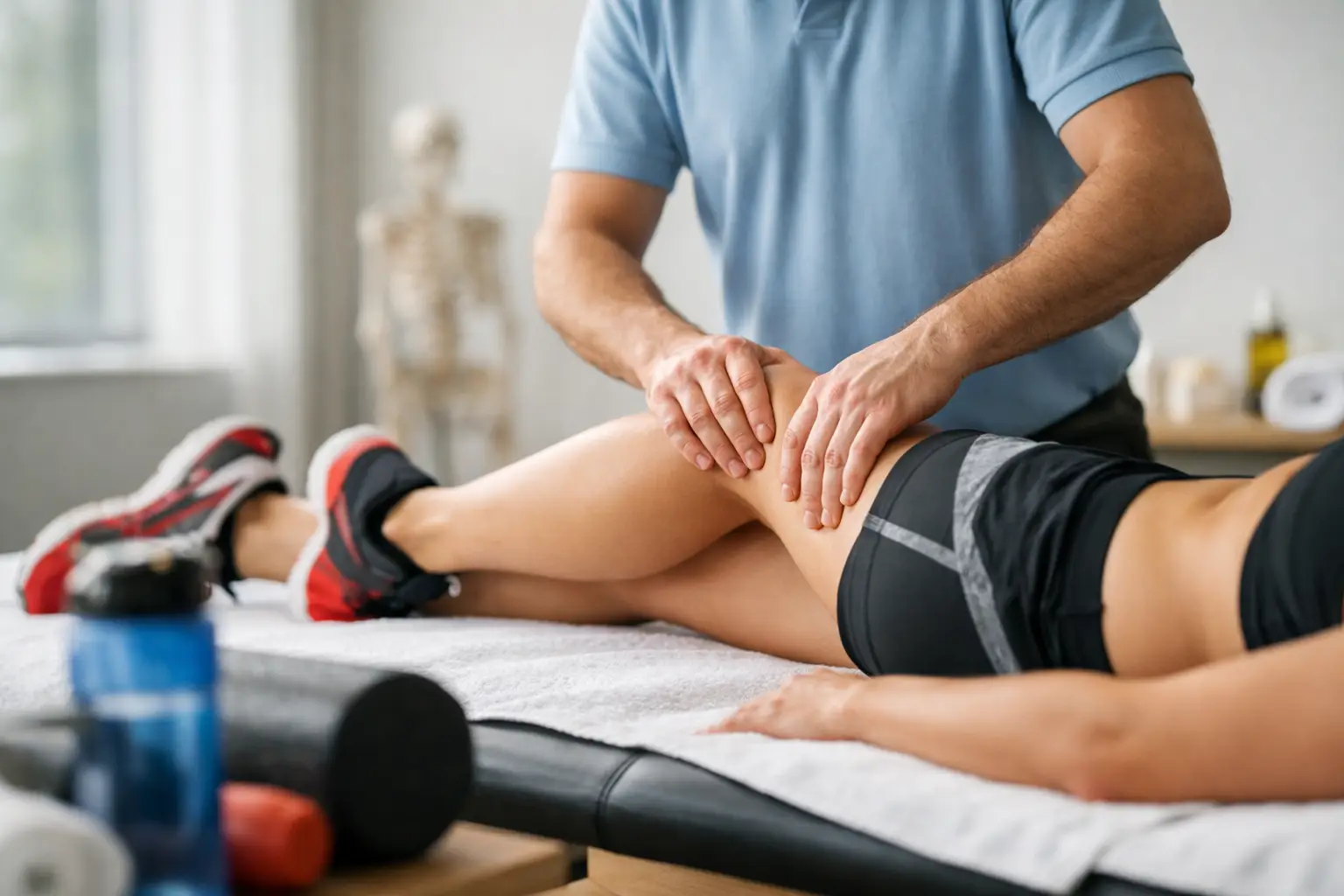
The tight calf that appears halfway through a run, the hip that feels restricted after a long day at a desk, the familiar ache that lingers longer than expected – these are the small signals runners learn to notice. Remedial massage for runners can be a practical way to address muscular tension, restore comfortable movement and make recovery feel more manageable, without pretending there is a single treatment that replaces sensible training, sleep and medical care when needed.
For runners balancing work, family and training plans, the real value is often timing and consistency. A tailored treatment can help you feel more comfortable in your body, whether you are preparing for an event, building kilometres gradually or returning to running after time away.
What remedial massage does for runners
Remedial massage is a targeted form of hands-on treatment designed around a specific physical concern. Rather than delivering the same pressure and sequence to every client, a qualified practitioner assesses how you are presenting on the day: where you feel tight, what movements are limited, what training you have completed and what outcome you need from the session.
Running places repeated load through the calves, feet, hamstrings, glutes and hips. It can also expose areas that are already working harder than they should, particularly when long periods of sitting, a sudden increase in distance, hills or poor recovery are part of the picture. A remedial approach may use a combination of deeper pressure, myofascial techniques, trigger point work, stretching and mobilisation to address tense or overworked soft tissue.
The aim is not to force muscles to relax or to leave you sore enough to feel that treatment was effective. It is to reduce unnecessary tension, support circulation, improve your sense of mobility and help you understand what your body may need next. Pressure should always be adjusted to your comfort, your training load and how close you are to your next run.
When remedial massage for runners may be useful
A session can be particularly helpful when your legs feel heavy despite taking recovery days, when one side feels noticeably tighter than the other, or when normal movement has become uncomfortable. Runners also commonly book treatment during heavier training blocks, after travelling, or when they are spending more time seated than usual.
It may help if you are experiencing persistent tightness through the calves and soles of the feet, stiffness around the hips, glute fatigue, hamstring tension or upper-body discomfort from posture and arm carriage. Massage can also provide a valuable pause in a busy schedule: an opportunity to check in with early warning signs before they become harder to ignore.
That said, massage is not a diagnosis and it is not a cure for every running injury. Sharp pain, sudden swelling, bruising, numbness, weakness, a suspected stress injury or pain that changes your gait should be assessed by an appropriate health professional. Pushing through these signs or trying to massage them away can delay proper care.
The right timing around training and race day
The best time for treatment depends on your goal. In the days after a demanding run, many runners prefer a recovery-focused session that uses measured pressure to ease the feeling of muscular congestion and encourage relaxation. This can be especially welcome after a long run, trail event or weekend of increased training volume.
Before a race, the approach should be lighter and more specific. Deep, intense work immediately before an important event may leave an area tender or change how it feels when you run. A practitioner can instead focus on comfortable mobility, circulation and calming pre-race tension. Ideally, avoid making a first-time deep remedial session part of your race-week experiment.
For regular runners, a planned cadence often works better than waiting until discomfort becomes severe. The right frequency varies. Someone training for a marathon, increasing strength work or managing recurring tightness may benefit from more regular appointments for a period, while a recreational runner may simply book around a demanding event or when their body feels unusually restricted.
What happens in a tailored session
A quality remedial treatment begins with a conversation, not an assumption. Your practitioner should ask about your running routine, recent changes in distance or intensity, past injuries, current symptoms and any medical conditions that could affect treatment. Be clear about what you are feeling, including whether discomfort appears at the start of a run, later in the session or afterwards.
From there, treatment is shaped around your goals. If your calves are overloaded after hill training, the session may focus on the lower legs, feet and the chain of movement above them, including the hips. If you are carrying tension through your neck and shoulders from desk work as well as running, that may deserve attention too. Bodies do not compartmentalise their stress simply because a training plan does.
You should expect communication throughout the session. Some remedial techniques can feel intense, but pain is not a requirement for progress. Tell your practitioner if pressure feels too sharp, if you feel guarding or if a technique is not comfortable. The most useful treatment is one your body can respond to, not endure.
Massage works best as part of your recovery plan
Remedial massage can complement recovery, but it cannot compensate for a training load that has outpaced your conditioning. If the same issue keeps returning, it is worth looking beyond the treatment table. Your footwear, training progression, sleep, strength routine, work posture and available recovery time can all influence how your body feels on the run.
A simple reset after treatment can make the benefits easier to carry into the week. Drink water normally, allow time for a gentle walk if that feels good, and avoid interpreting temporary post-treatment tenderness as a reason to test yourself with a hard session. Pay attention to how you move over the following 24 to 48 hours. That feedback is useful when planning your next run and your next appointment.
Strength and mobility work may also be recommended where appropriate, particularly for runners who repeatedly load the same areas. Massage can help create a more comfortable starting point for these habits, while progressive strength training helps build capacity over time. Neither needs to be treated as a substitute for the other.
Convenience matters when recovery is already hard to fit in
The best recovery plan is one you can realistically maintain. For busy professionals, parents, travellers and athletes, travelling across town after a run or at the end of a workday can be the reason treatment gets postponed. Mobile remedial massage brings qualified care to your home, hotel or workplace, allowing you to recover in a familiar setting without adding another commute to the day.
Rejuvenators provides tailored mobile treatments across major Australian cities, with practitioners arriving equipped to create a comfortable, professional treatment space. It is a considered option when you want expert support for your running recovery and the ease of returning to your own routine straight afterwards.
Listen to the patterns your body repeats. A timely, tailored remedial massage can be a valuable part of caring for the miles ahead, helping you reset, recover and keep running with greater comfort.