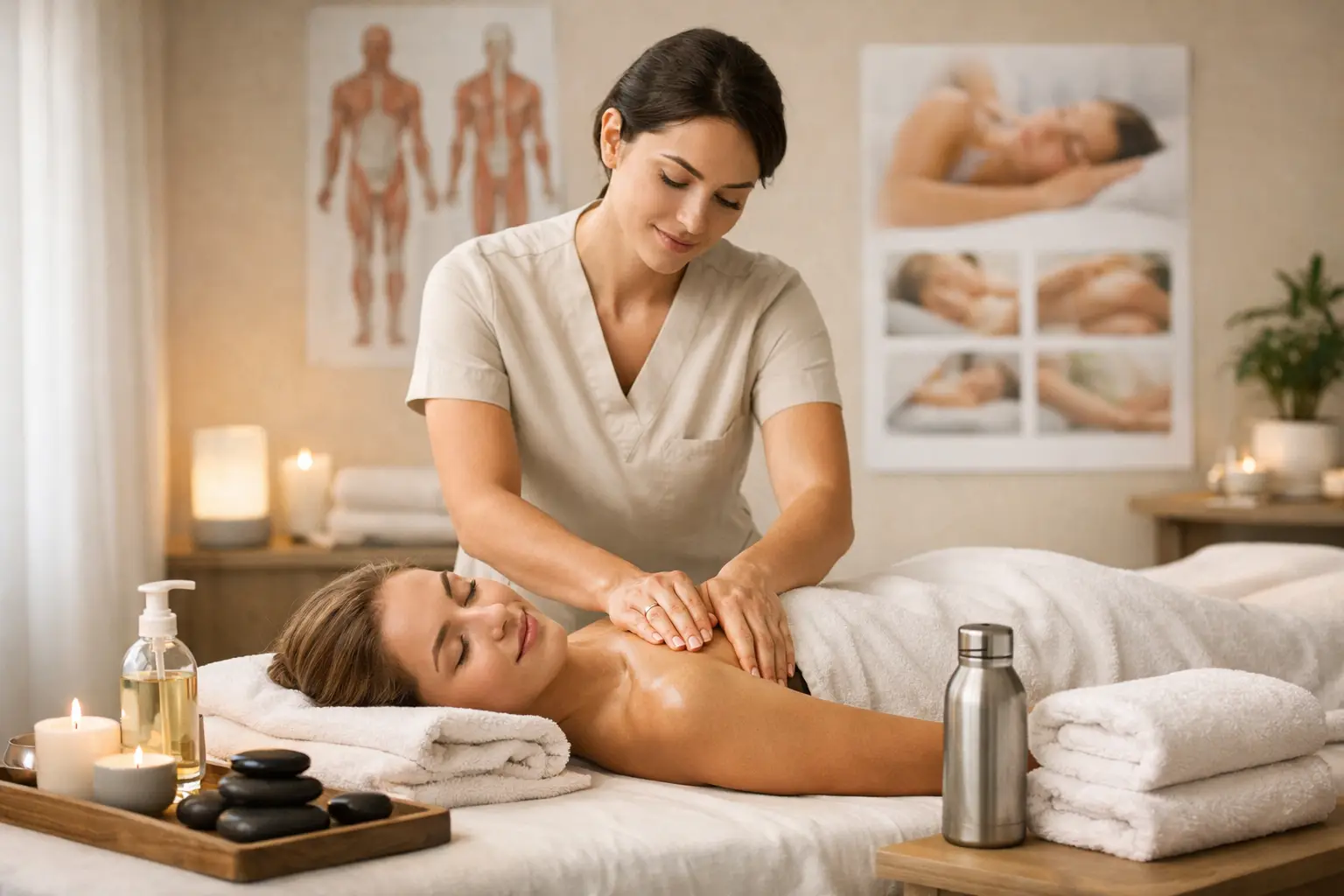
A heavy training block, long-haul flight, surgery recovery plan or even a few days of sitting too long can leave the body feeling puffy, sluggish and not quite right. That is where lymphatic drainage massage recovery often enters the conversation. Not as a miracle fix, and not as a replacement for medical care, but as a gentle, targeted approach that may support comfort, fluid movement and a better sense of ease in the days that follow strain, travel or inactivity.
For many people, the appeal is simple. The treatment is lighter than deep tissue work, often more calming than remedial massage, and better suited to bodies that feel tender, swollen or overloaded rather than tight and knotted. If your system needs encouragement rather than intensity, this style of treatment can make good sense.
What lymphatic drainage massage recovery is trying to do
The lymphatic system helps move excess fluid, waste products and immune cells through the body. Unlike the circulatory system, it does not have a central pump like the heart. It relies on muscle movement, breathing and normal tissue motion to keep things flowing.
Lymphatic drainage massage uses very light, rhythmic techniques designed to support that natural movement. The goal is not to force fluid around the body. It is to encourage the superficial lymph pathways to work more efficiently, particularly when you are feeling congested, swollen or heavy.
That is why this treatment feels so different from sports or deep tissue massage. A practitioner is not trying to break down adhesions or work aggressively into sore muscle fibres. The pressure is deliberate but gentle. Done well, it should feel calming and precise rather than intense.
When it may help most
After travel or long periods of sitting
Flights, desk work and long days in the car can all contribute to fluid retention and that familiar heavy-leg feeling. Ankles can swell, clothes can feel tighter, and the body may seem slow to bounce back. In these cases, lymphatic-style treatment may help encourage movement after hours of limited activity.
It is not just physical pressure from sitting. Travel also disrupts hydration, sleep, meal timing and general circulation. A gentle session can support a sense of reset when the body feels out of rhythm.
During post-exercise recovery
Athletes and active clients often assume recovery has to involve pressure, stretching and a fair bit of discomfort. Sometimes that is appropriate. But after an event, a hard training cycle or a session that has left the body inflamed, a softer approach can be the smarter call.
Lymphatic drainage massage recovery may help when soreness comes with puffiness, sensitivity or general fatigue. It suits moments when your body needs downregulation and support rather than another stimulus layered on top.
After surgery or medical procedures
This is one area where nuance matters. Lymphatic drainage is commonly discussed in post-operative recovery, especially where swelling is present. But timing, technique and medical clearance are critical. Not every client is ready for bodywork straight away, and not every practitioner is qualified for every post-surgical case.
If you are recovering from surgery, cosmetic procedures or an injury, always follow your doctor’s advice first. Massage can be helpful in the right window, but the right window is not the same for everyone.
What the recovery benefits can feel like
The most immediate effect many clients notice is a reduction in that heavy, puffy feeling. Rings may fit more comfortably. Legs can feel lighter. Movement may seem easier and less restricted.
There is also a nervous system piece to this work that gets overlooked. Gentle, repetitive touch can help settle a body that is running hot from stress, inflammation or overstimulation. When that happens, recovery often feels easier overall. Sleep may improve. Breathing can slow. The body stops bracing quite so hard.
That said, results vary. Some people feel noticeably different after one session. Others benefit more from a series, especially if swelling has been building over time or is linked to lifestyle patterns like frequent travel or prolonged sitting. Good treatment is rarely about promising dramatic overnight change. It is about choosing the right approach for what your body is dealing with now.
What to expect in a session
A proper consultation comes first. A qualified practitioner should ask about your goals, medical history, recent procedures, medications and any swelling patterns you have noticed. This matters because some kinds of swelling should not be massaged without medical clearance.
During the session, the techniques are typically slow, light and methodical. The pressure may feel surprisingly subtle if you are used to firmer massage styles. That does not mean it is ineffective. Lymphatic vessels sit close to the skin, so heavy pressure can actually work against the intended effect.
The experience is usually deeply relaxing. Some clients drift off. Others simply notice that they feel less compressed in their body by the end. You should not leave feeling battered. If the goal is recovery, the session should support that, not challenge it.
Who should be careful
Not all swelling is routine, and not all recovery needs massage. If you have unexplained swelling, an acute infection, fever, blood clot risk, uncontrolled heart conditions or active medical concerns, you need proper advice before booking treatment.
This is also why the practitioner matters. A premium mobile wellness service should tailor treatment to the individual, not deliver the same sequence to everyone. In some cases, the safest and most professional option is to postpone treatment and refer the client back to their GP or specialist.
That level of judgement is part of quality care.
Lymphatic drainage massage recovery versus other massage styles
If your muscles feel locked, shortened and full of trigger points, remedial or deep tissue massage may be more useful. If your body is sore from training but not especially swollen, sports massage might be the better fit. If stress is the main issue, a relaxation treatment can go a long way.
Lymphatic work sits in a different lane. It is best thought of as a support treatment for fluid movement, post-activity ease and gentle recovery. It can complement other modalities, but it does not replace them all.
For some clients, combining approaches across different appointments makes the most sense. A gentler session after travel or an event, followed later by deeper muscular work, can suit the body better than forcing one treatment style to do every job.
Why convenience matters more than people think
Recovery is easier when the treatment itself does not create more effort. If you are swollen, sore, tired or just stretched for time, driving across town, finding parking and sitting in a waiting room can feel like one task too many.
That is why mobile care has real value for recovery-focused treatments. Being able to stay in your home or hotel, step straight into a calm session and then continue resting afterwards supports the purpose of the treatment. It keeps the whole experience restorative.
For busy professionals, frequent travellers and active clients, convenience is not a luxury add-on. It is often the difference between getting proper care and putting it off again.
Getting the best from your treatment
Hydration, gentle movement and realistic expectations all help. You do not need to overhaul your routine, but it is worth supporting your body after the session rather than going straight back into a dehydrating flight, a heavy meal and another six hours at the desk.
Comfortable clothing, a quieter schedule and a little space to rest can make the benefits more noticeable. If swelling or heaviness keeps returning, it may also be worth looking at the wider picture, including movement habits, sleep, workload and recovery timing.
At Rejuvenators, that broader view is part of what makes tailored care more useful than a one-size-fits-all treatment. The body usually tells you what it needs, provided the practitioner knows how to listen.
Lymphatic drainage massage recovery is rarely about doing more. More often, it is about choosing a gentler, smarter response when your body is asking for support, steadiness and room to recover properly.